Destination
Nepal
Region
Nepal Terai
Trip Grade
Grade 1 : Easy
Accommodation
Hotel
Start / End Point
Kathmandu
Durations
16 Days
Group Size
1-25 Person
Best Season
Except June, July & Aug
Transportation
Private Vehicle
Trip Highlights
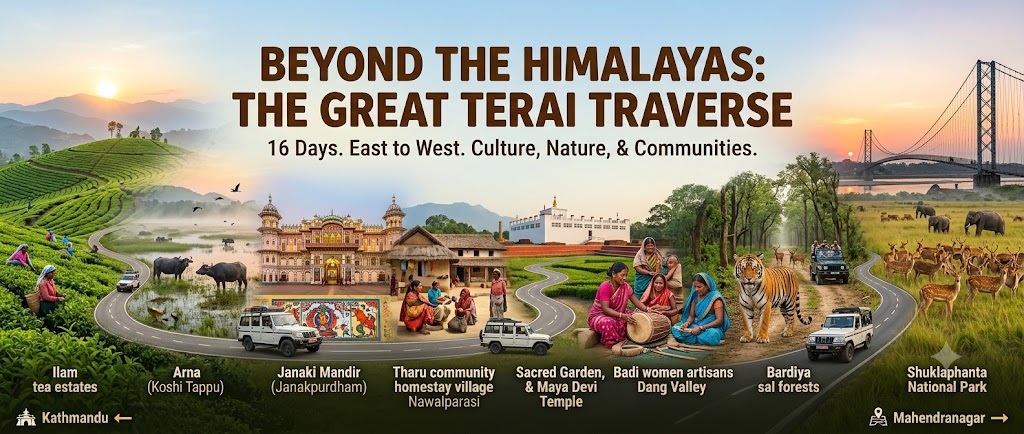
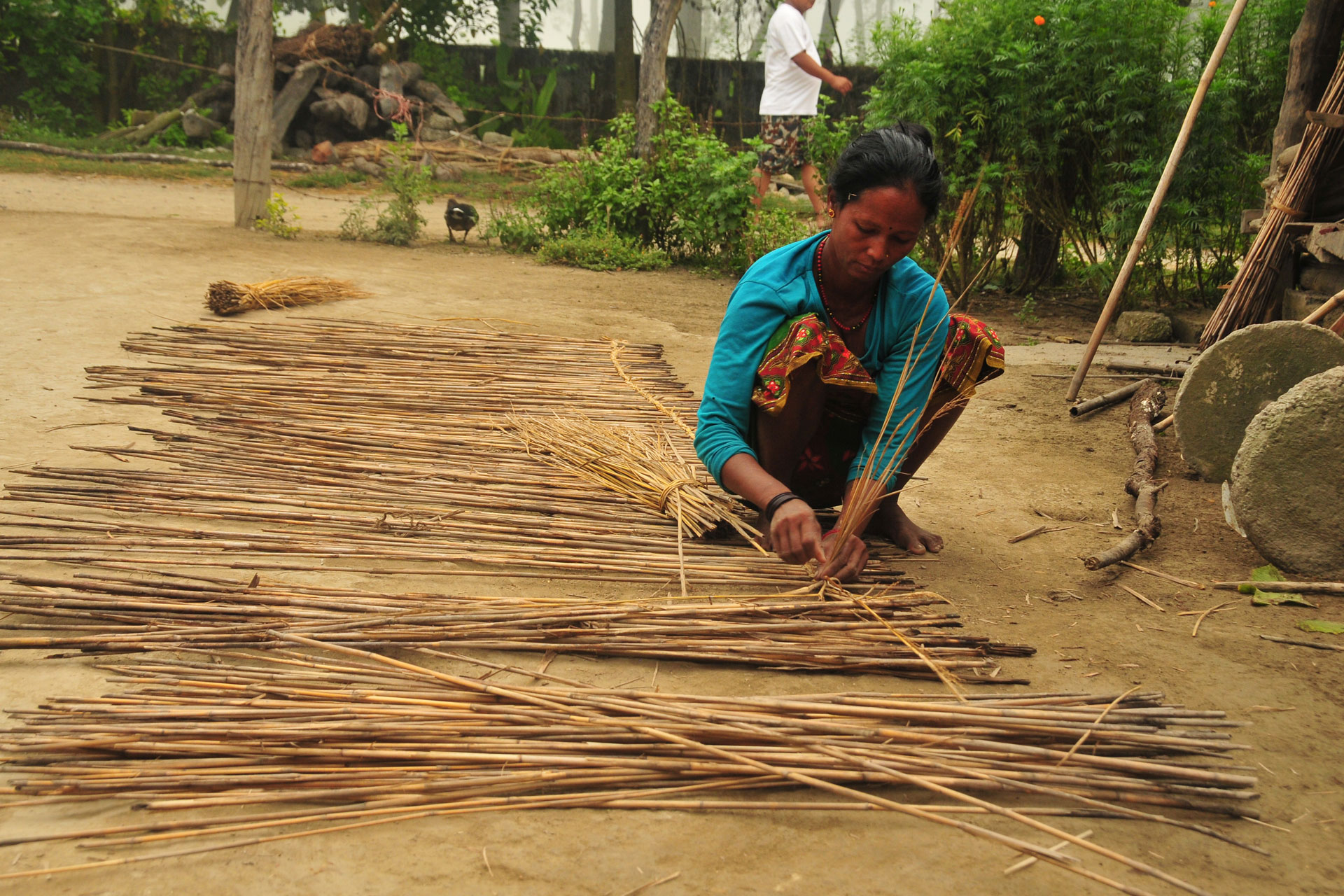
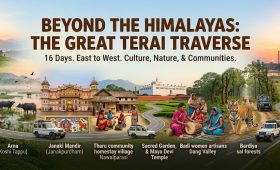
Reveals Nepal's Multi-Ethnic Heartland: Moves beyond the standard mountain narrative to highlight the rich diversity of the southern plains—from Mithila art in Janakpur and Tharu living heritage in Nawalparasi to marginalized indigenous communities like the Badi women in Dang.
Puts You on the Trail of the Royal Bengal Tiger: Showcases Nepal’s remarkable global conservation success in Bardiya National Park—one of the best places on Earth to track wild tigers on foot or open jeep safaris in quiet, uncrowded, raw wilderness.
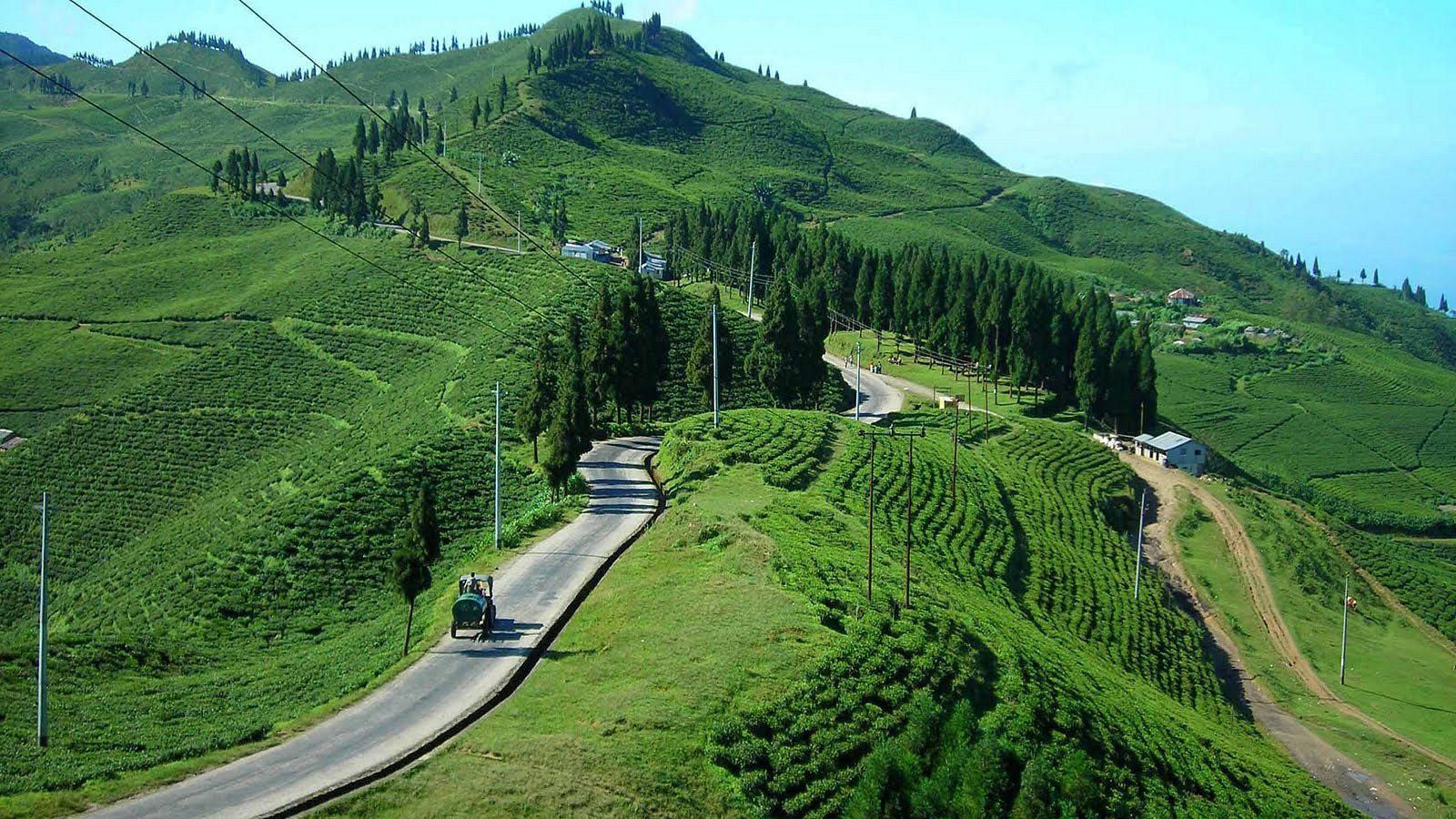
Spans the Complete Ecological Spectrum: Covers the entire lowlands biodiversity belt, moving smoothly from the misty Orthodox tea gardens of Ilam to Koshi Tappu’s wild water buffalo wetlands, through tiger country in Bardiya, to the vast swamp deer habitats of Shuklaphanta.
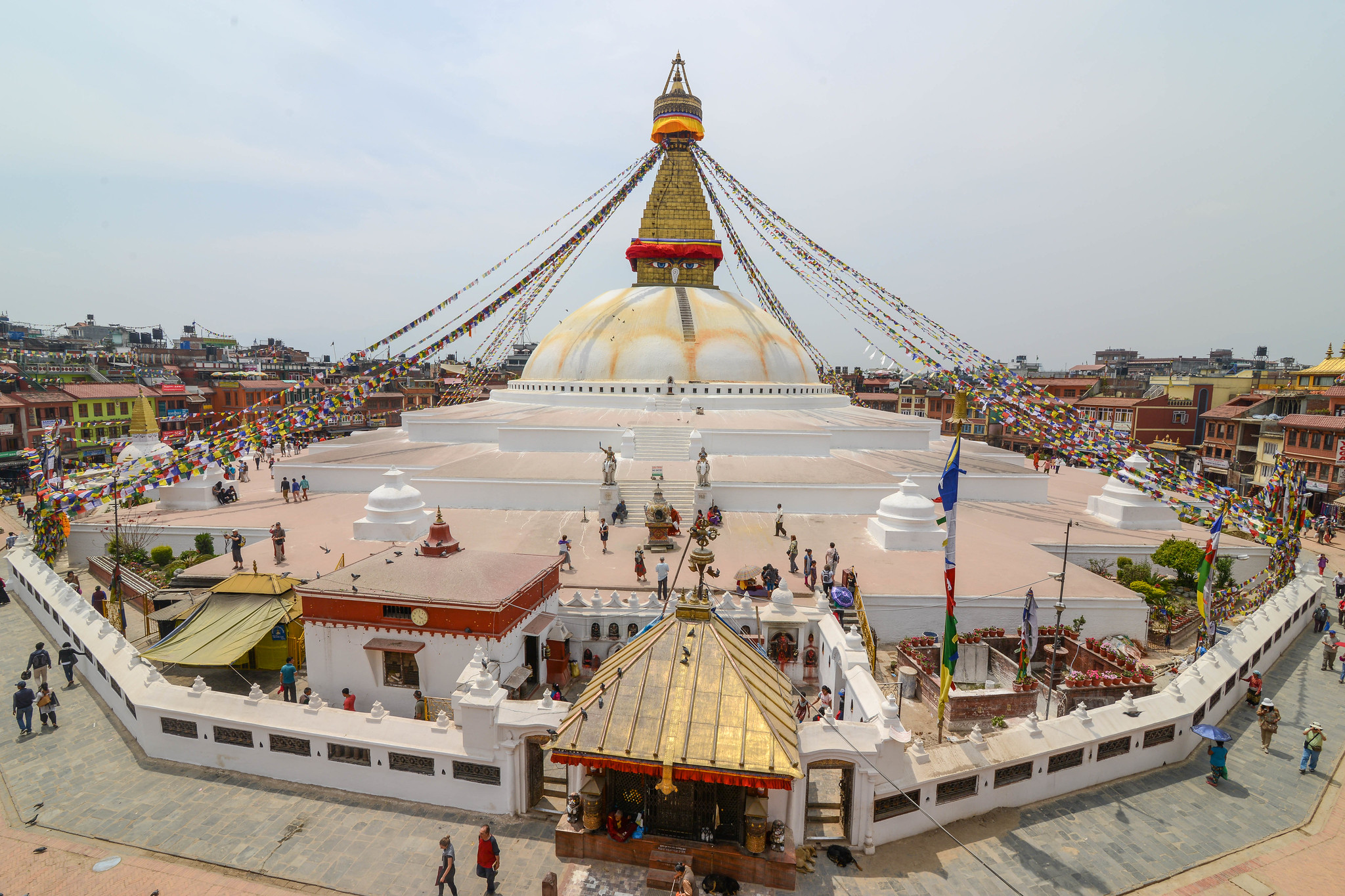
Connects Deep Historical & Spiritual Epochs: Traces the spiritual foundation of the region by linking the birthplace of Lord Buddha in Lumbini with the ancient Mithila Kingdom’s living traditions in Janakpur and the Far-Western borderlands along the Mahakali River.
Drives Direct Livelihood Impact to Hidden Areas: Redistributes tourism revenue outside the standard Pokhara–Everest–Annapurna corridor, directly empowering women’s cooperatives, community-run homestays, and local micro-enterprises.
Trip Overview
Beyond the Peaks: Discovering the True Soul of Nepal
Nepal is world-famous for its high Himalayan peaks, but its true heart, cultural soul, and biodiversity thrive in the fertile, sun-drenched lowlands of the Terai. Home to more than half of the country’s population, the southern plains hold a vibrant mosaic of ancient civilizations, living indigenous traditions, and raw jungle wilderness. The East-to-West Terai Traverse steps far beyond standard mountain trails to reveal an authentic, multi-dimensional portrait of Nepal—from the misty tea slopes of Ilam and the living Mithila heritage of Janakpur to the sacred birthsite of Buddha and the wild tiger corridors of the far west.
Why This Tour Matters: A Must-Do Journey to Fully Understand Nepal
To truly know Nepal, one must experience both its mountains and its plains. This journey bridges that gap, offering a complete perspective on the nation’s culture, ecology, and people.
A Rich Cultural Tapestry: Experience living Mithila art in Janakpur, indigenous Tharu community heritage, and meaningful social solidarity with the Badi community in Dang.
Unrivaled Lowland Wildlife: Explore four major national reserves—from migratory bird habitats at Koshi Tappu to tracking wild Royal Bengal Tigers in Bardiya and giant swamp deer herds in Shuklaphanta.
Deep Historical & Spiritual Origins: Trace South Asia’s spiritual foundation from the birthplace of Lord Buddha in Lumbini to the ancient Kingdom of Mithila.
Best Time to Travel: September to May
While high-altitude mountain routes face extreme winter cold or early spring passes, the Terai lowlands offer an extended 9-month prime travel window from September through May (avoiding only the heavy monsoon months of June, July, and August).
Autumn (September to November): Warm, clear weather following the monsoon. The landscapes are lush and green, local harvest festivals are in full swing, and wildlife begins gathering around open water sources.
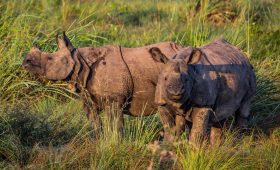
Winter (December to February): Pleasant, crisp days with comfortable driving temperatures (18°C to 25°C). This is the peak season for tracking wild tigers and rhinos as forest foliage thins out, and wetlands welcome thousands of migratory birds from Siberia and Central Asia.
Spring (March to May): Warm, dry conditions bring vibrant flora into bloom. As water sources dry up inside the national parks, wildlife concentrations along riverbanks reach their absolute peak, offering exceptional safari sightings.
The Good Karma Promise: Off-the-Beaten-Path & Regenerative Homestays
At Good Karma Trekking, we believe travel should be a force for positive change. We actively route our journeys into unseen corners of Nepal to ensure tourism directly benefits rural host communities.
Empowering Community Homestays: By featuring local homestays like Amaltari in Nawalparasi, travel dollars go directly to host families—funding local schools, healthcare, and community infrastructure.
Supporting Unseen & Marginalized Voices: We consciously connect travelers with local micro-enterprises, women-led craft cooperatives, and grassroots empowerment initiatives like the Badi community co-ops in Dang.
Sustainable Community Conservation: Partnering directly with local naturalists and buffer-zone committees ensures that local residents are financially incentivized to protect Nepal’s wildlife for generations to come.
Detailed Itinerary
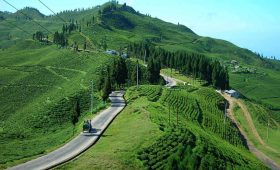
Highlights: Fly from Kathmandu to Bhadrapur Airport, meet your vehicle, and ascend into the cool mid-hills of Jhapa and Ilam. Pass through rolling tea slopes in Kanyam before resting near the tea gardens.
Highlights: Wake early for sunrise over the rolling green hills at Kanyam, followed by a visit to Ilam Tea Garden Explore local Orthodox tea processing units and interact with smallholder farmers.
Koshi Tappu Wildlife Reserve
Highlights: Descend from the hills to the eastern Terai plains. Arrive at Koshi Tappu Wildlife Reserve, settled along the vast floodplains of the Koshi River.
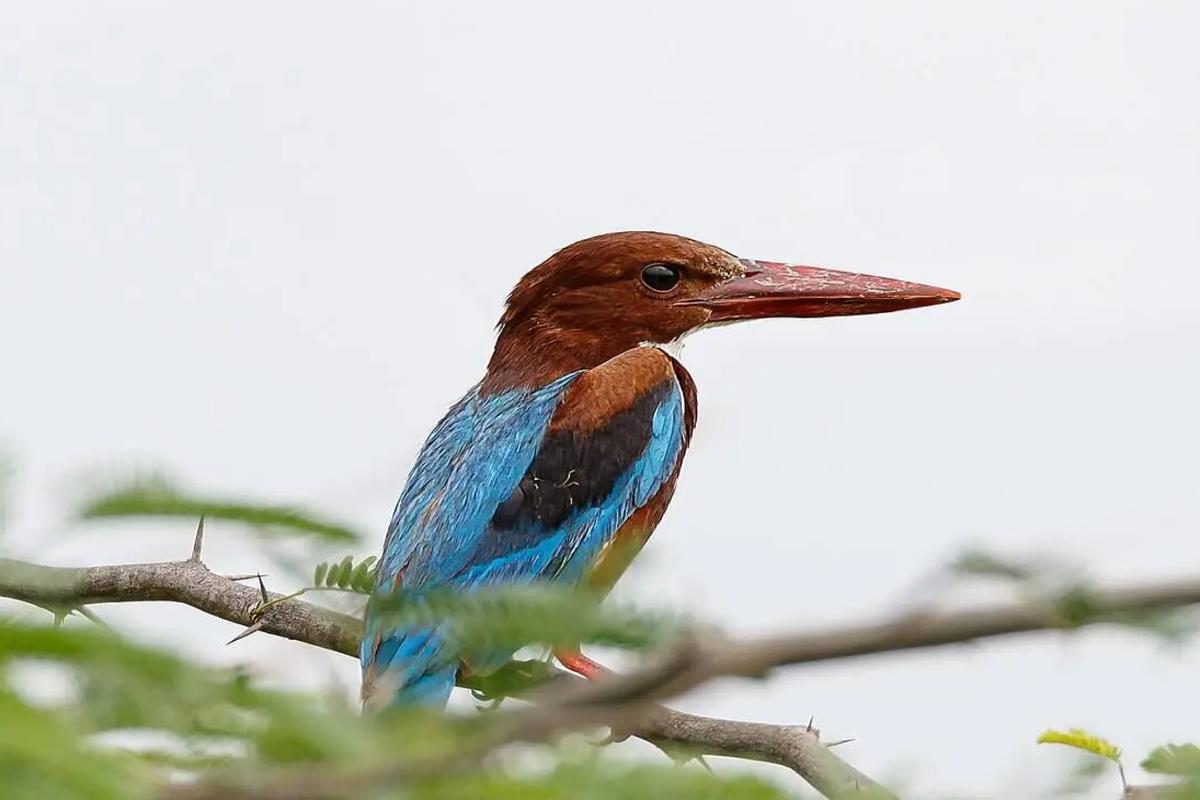
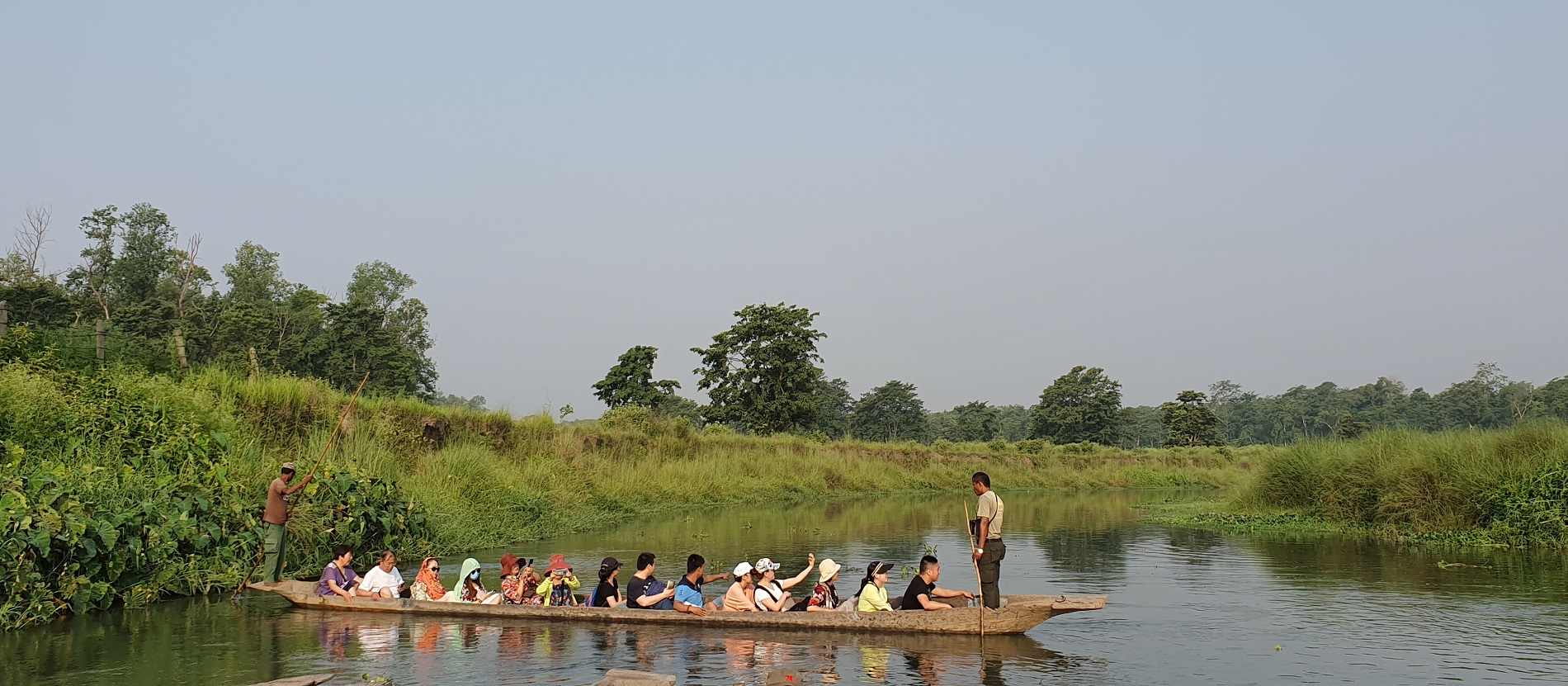
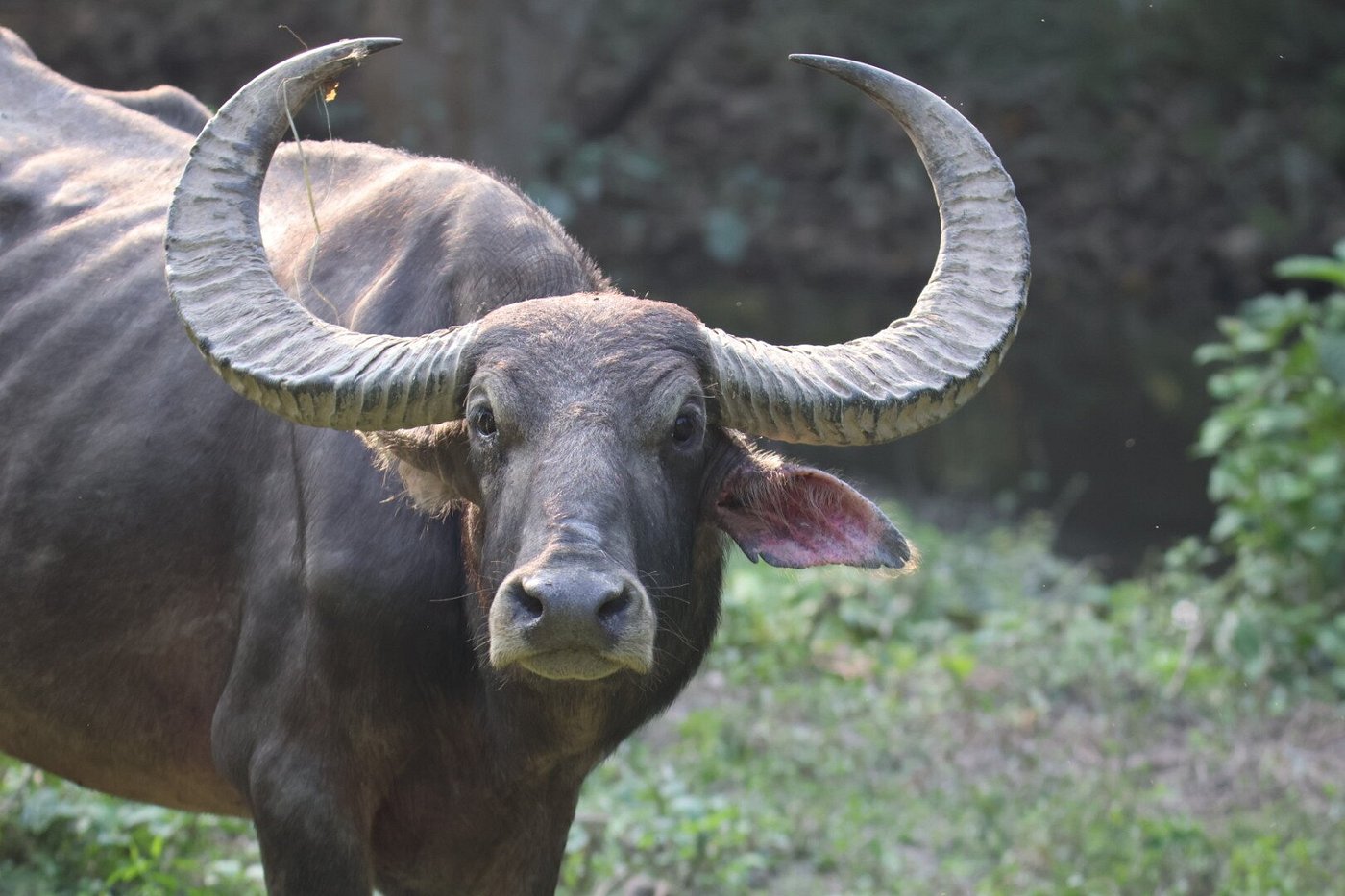
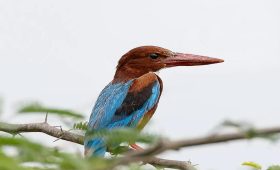
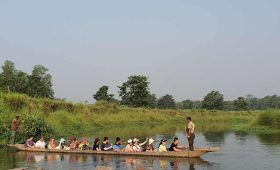
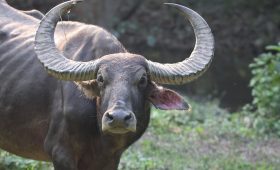
Highlights: Full day dedicated to exploring the marshlands and riverbanks. Koshi Tappu serves as a vital wetlands haven for migratory birds and wild water buffaloes (Arna).
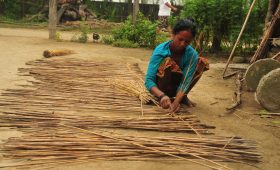
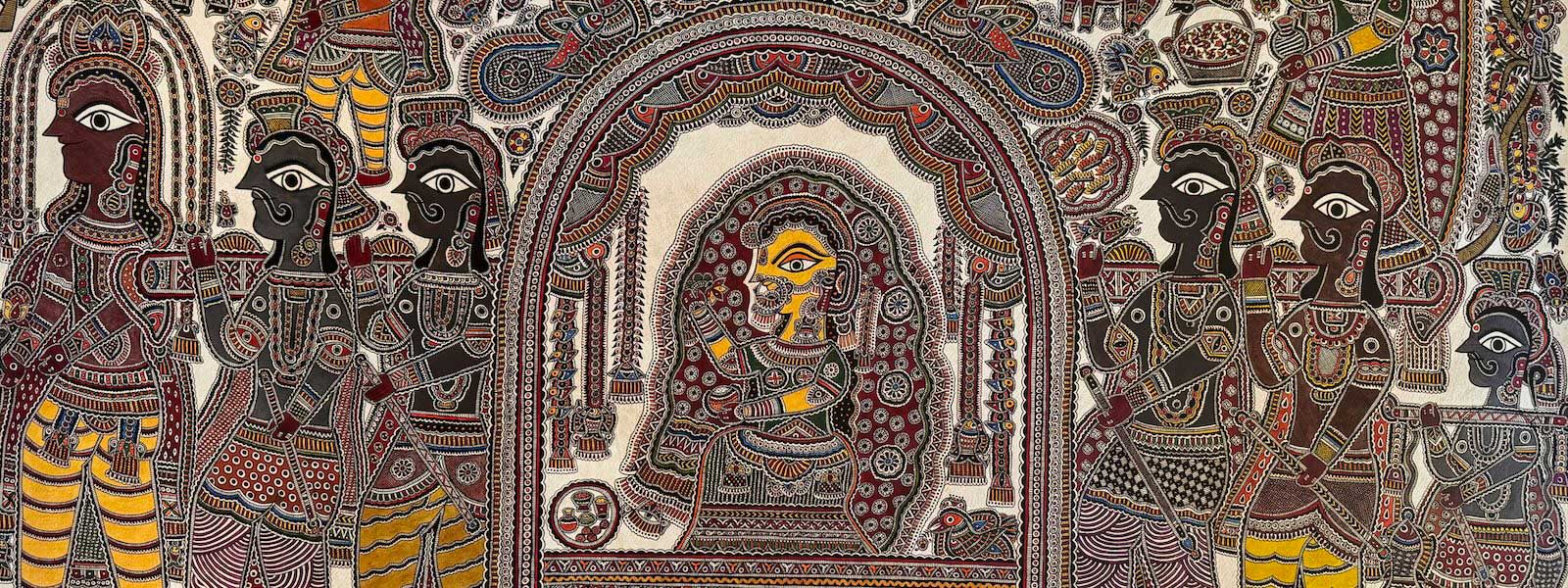
Highlights: Drive west along the East-West Highway into the heart of Mithila culture. Arrive in Janakpur and visit the historic Janaki Mandir and local Mithila art cooperatives run by women.
Highlights: Experience local Terai life, sample traditional regional dishes, and observe authentic Mithila wall paintings and craftsmanship in neighboring villages.
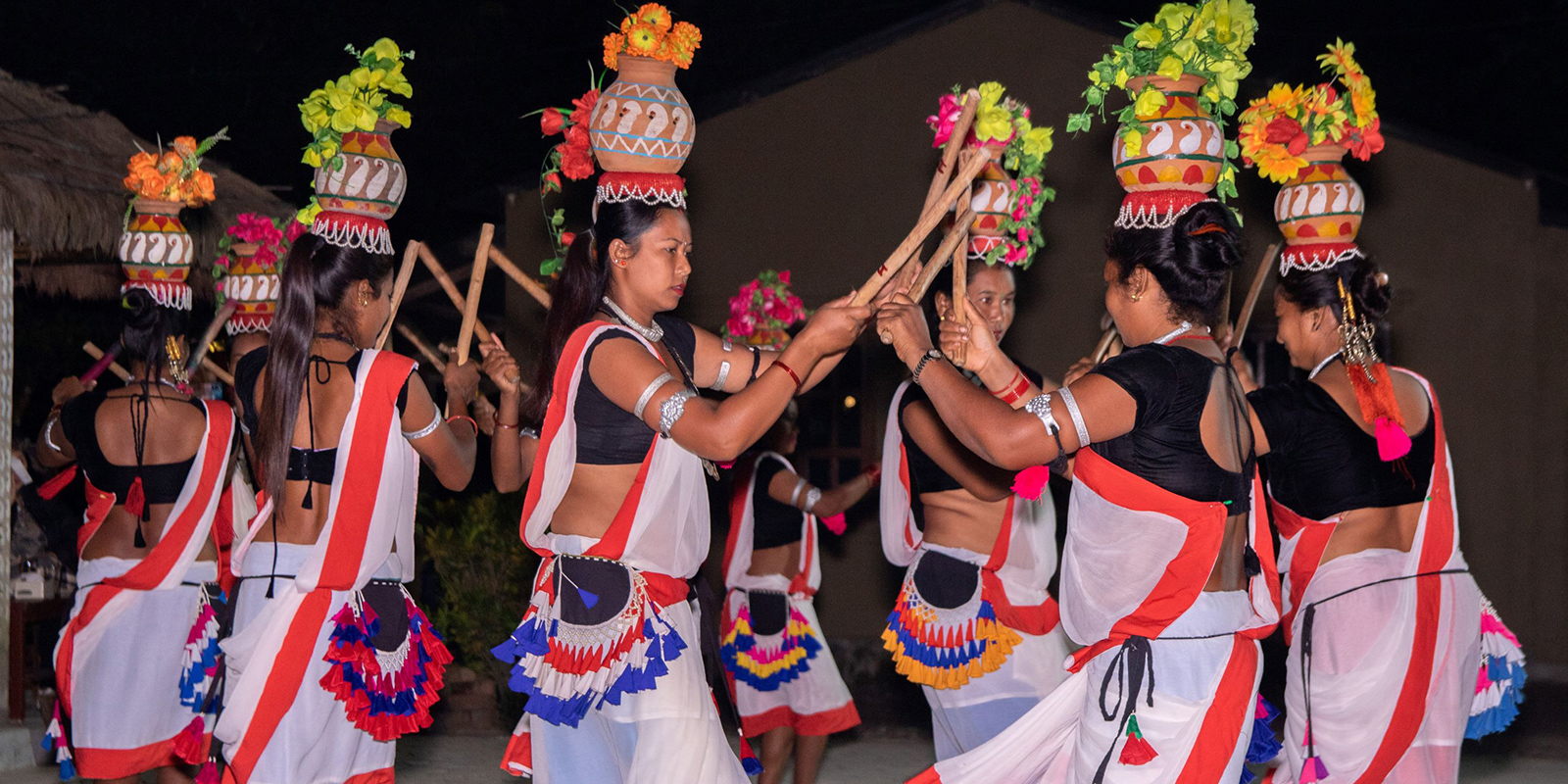
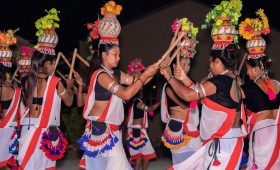
Highlights: Journey westward across the Terai highway to reach Chitwan National Park. Evening cultural dance performance by local Tharu communities.
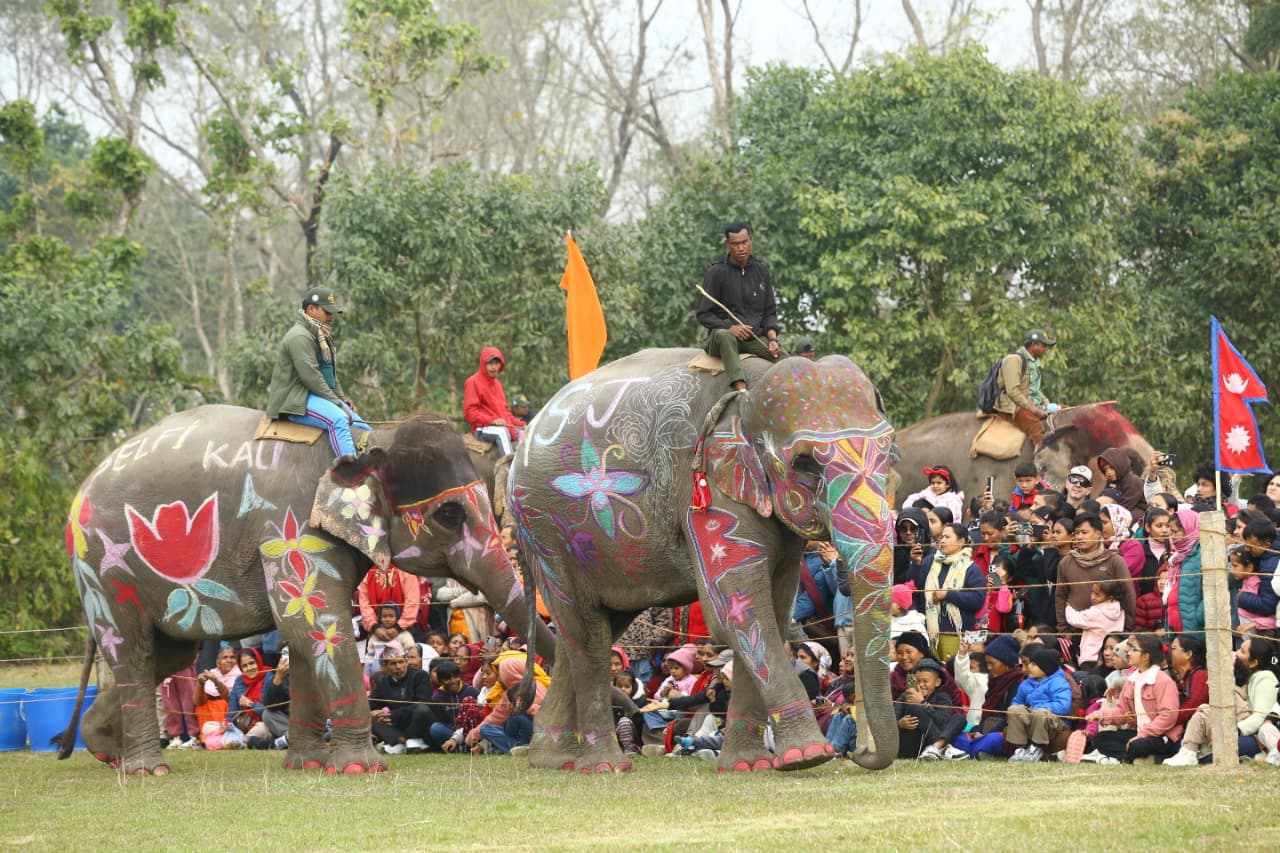
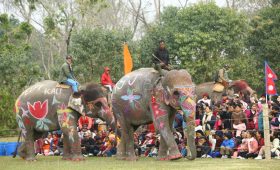
Highlights: Whole-day wilderness exploration including a jeep safari, canoe ride along the Rapti River, and guided nature walks.
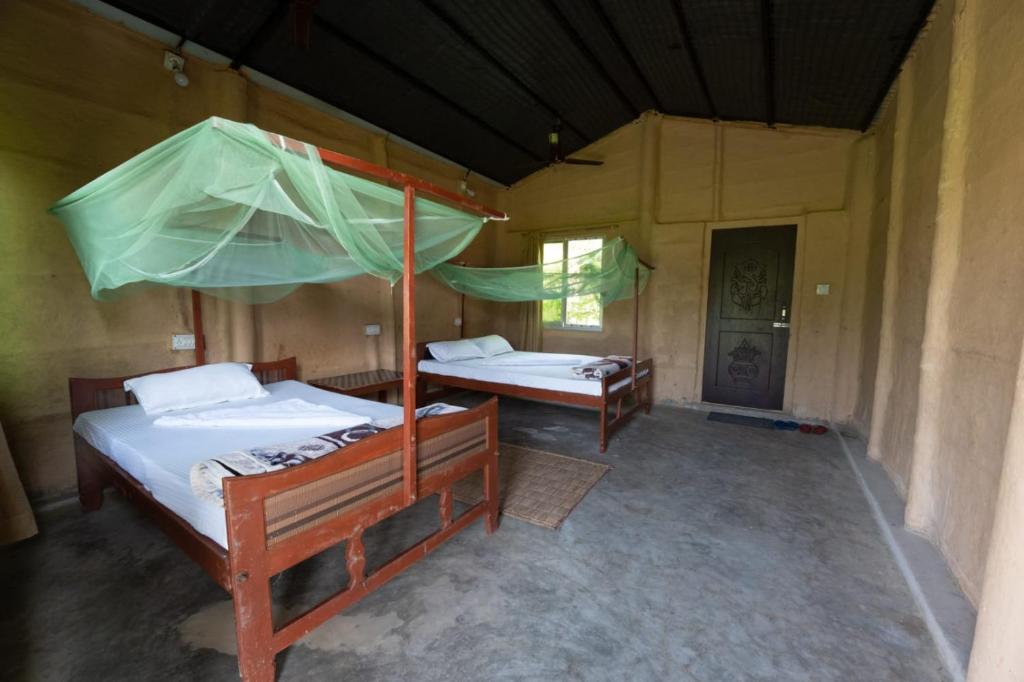
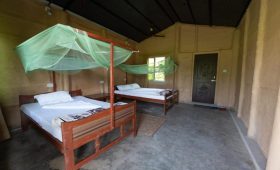
Highlights: Short drive crossing into Nawalparasi to arrive at Amaltari Madhawarti community Home Stay near the western buffer zone of Chitwan. Engage in village walks and community-run hospitality.
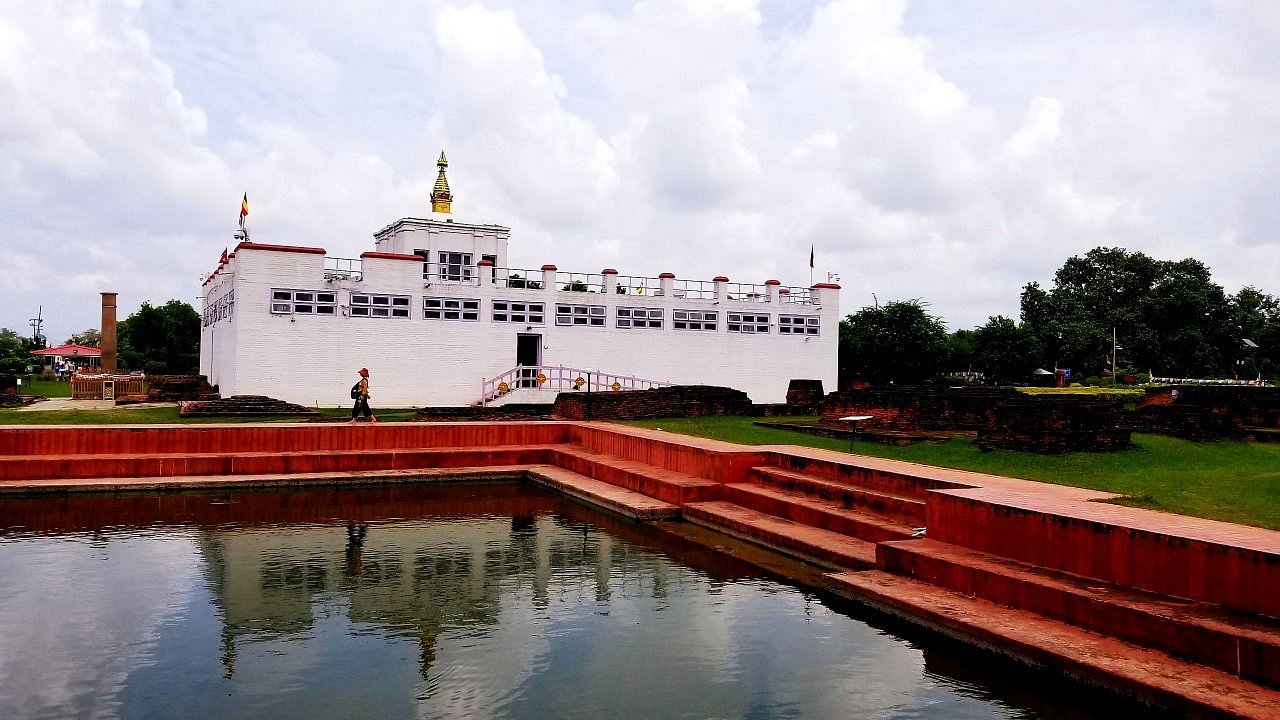
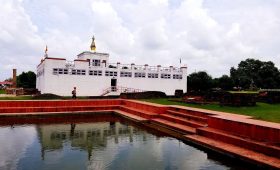
Highlights: Drive to Lumbini, the birthplace of Lord Buddha and a UNESCO World Heritage site. Explore the Sacred Garden and Maya Devi Temple.
Highlights: Drive northwest towards the inner Terai valley of Dang (Tulsipur / Ghorahi), one of the primary historical ancestral areas of the Badi community. Visit local Badi settlements and women-led community groups to understand their social heritage, artisanal work, and empowerment initiatives.
Highlights: Drive west passing through Banke district, visiting local Badi households involved in craft-making before continuing to Thakurdwara at Bardiya National Park.
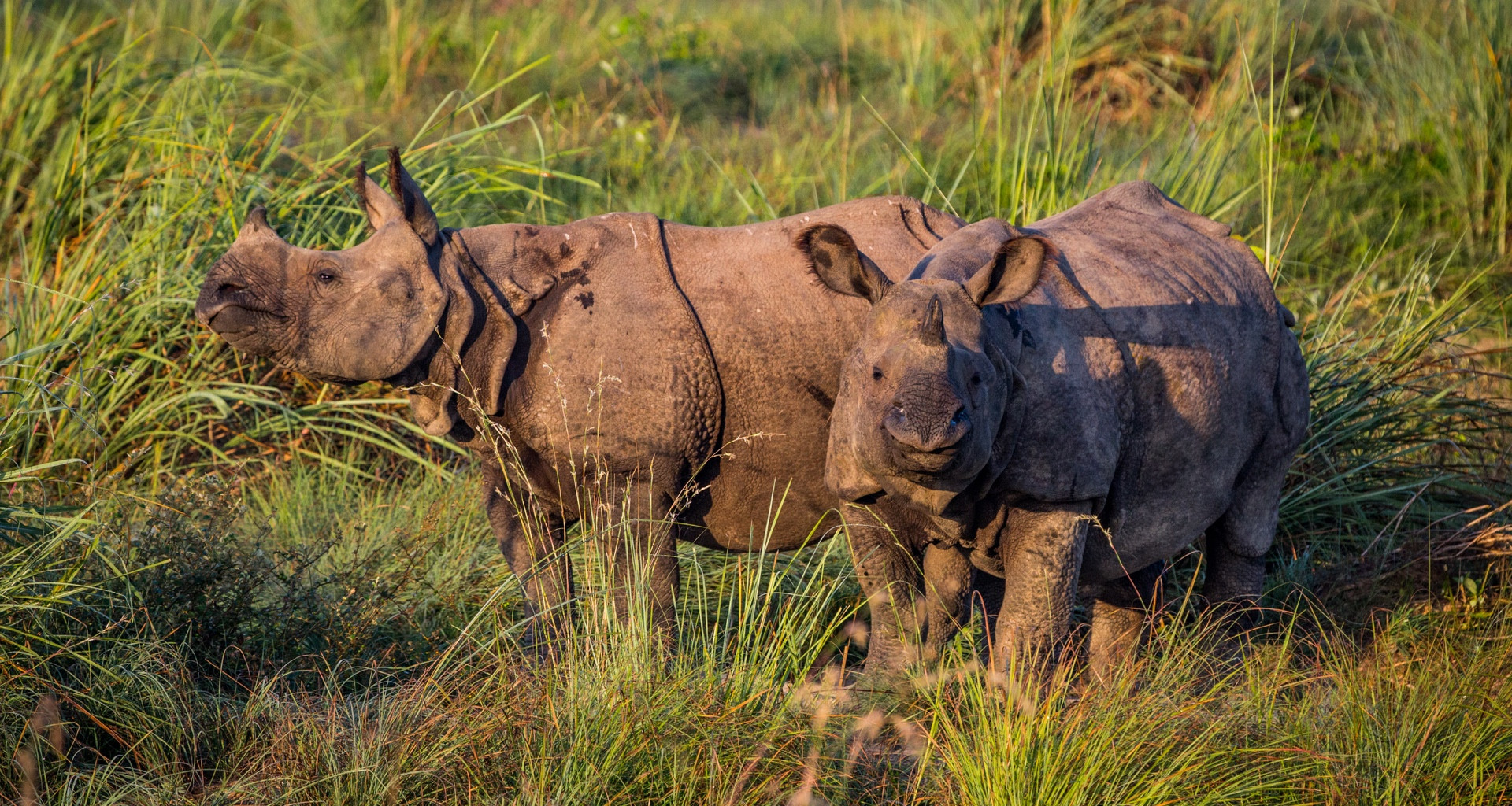
Highlights: Full day of tracking royal Bengal tigers, wild elephants, and swamp deer on foot and via open jeep safaris along the Karnali and Babai riverbanks.
Highlights: Travel to Bhimdatta (Mahendranagar). Afternoon open-jeep safari in Shuklaphanta National Park to explore the vast grasslands, spot large herds of swamp deer (Barasingha), wild elephants, and birdlife around Rani Tal
Highlights: Visit the iconic Dodhara Chandani Suspension Bridge over the Mahakali River on the western border of Nepal. Explore local Tharu villages, Far-Western cultural heritage, and relax in Mahendranagar
Cost Includes
- TRANSPORTATION & FLIGHTS:
- Domestic flight: Kathmandu to Bhadrapur
- Domestic flight: Dhangadhi to Kathmandu
- All airport transfers (Kathmandu, Bhadrapur, and Dhangadhi)Private vehicle for the entire overland traverse (includes fuel, parking, tolls, and driver allowances)
- ACCOMMODATION:
- Tea estate lodge / Tourist standard hotel in Ilam
- Wilderness safari lodges in Koshi Tappu, Chitwan, and Bardiya
- Authentic Tharu community homestay in Amaltari (Nawalparasi)
- Tourist standard Selected hotels in Janakpur, Lumbini, Dang, and Mahendranagar
- MEALS:
- Full board (Breakfast, Lunch & Dinner) during all national park and safari stays
- Daily breakfast at all city and cultural stopovers
- SAFARIS, PERMITS & ACTIVITIES:
- All national park entry permits (Koshi Tappu, Chitwan, Bardiya, and Shuklaphanta)
- Guided open-jeep safaris in Chitwan, Bardiya, and Shuklaphanta
- Canoe ride and guided nature walk in Chitwan
- Koshi Tappu wetlands boat excursion and birdwatching safari
- Janakpur cultural tour (Janaki Mandir and local Mithila art cooperatives)
- Entrance fees for Lumbini Sacred Garden and Maya Devi Temple
- Facilitated social-impact visits in Dang (Badi community empowerment groups)
- Excursion to Dodhara Chandani Suspension Bridge and Mahakali borderland
Tharu cultural dance performance - STAFF & SUPPORT:
- Licensed, English-speaking tour leader throughout the trip
- Expert local naturalist guides for all national park safaris
- Professional long-distance overland driver
- All applicable government taxes, local levies, and service charges
Cost Excludes
- TRAVEL & VISAS:
- International flights to/from Kathmandu
- Nepal tourist visa fee
- MEALS & DRINKS:
- Lunches and dinners during stay days in cities/towns (Ilam, Janakpur, Lumbini, Dang, Mahendranagar)
- Soft drinks, bottled water, alcoholic beverages, and specialty coffees
- INSURANCE & CONTINGENCIES:
- Comprehensive travel, medical, and emergency evacuation insurance
- Unforeseen costs due to flight disruptions, bad weather, highway blockages, or strikes
- PERSONAL EXPENSES & TIPS:
- Personal expenses (laundry, Wi-Fi, phone calls, souvenirs)
- Tips and gratuities for driver, tour leader, and safari naturalists
- Kathmandu hotel stays and meals before Day 1 or after Day 16 ( you can ask us to book hotel of your choice in kathmandu as per your interest )