Best Season to Visit Bhutan: Spring vs. Autumn vs. Winter vs. Summer

Nestled in the eastern Himalayas, the Kingdom of Bhutan—often called the “Land of the Thunder Dragon”—is a destination unlike any other. With its controlled tourism policy, daily Sustainable Development Fee (SDF), and deep commitment to preserving both culture and nature, timing your visit is crucial.
So, when is the best time to visit Bhutan? The short answer is spring (March to May) or autumn (September to November) . But the real answer depends on what you want to see: blooming rhododendrons, masked festivals, clear mountain views, or budget-friendly solitude.
This comprehensive guide breaks down Bhutan’s weather, festivals, trekking conditions, and travel costs month by month and lets you decide the best season to visit Bhutan. Let’s dive in.
Quick Answer: At a Glance
| Season | Months | Weather | Crowds | Best For |
|---|---|---|---|---|
| Spring | March – May | Mild, sunny, some haze | Moderate to High | Rhododendron blooms, Paro Tshechu, nature photography |
| Autumn | September – November | Crisp, clear skies, perfect | Very High | Trekking, Thimphu Tshechu, crystal-clear Himalayan views |
| Winter | December – February | Cold, dry, sunny | Low | Birdwatching (Black-Necked Cranes), solitude, low-season prices |
| Summer | June – August | Wet, humid, green | Very Low | Budget travel, mushroom festivals, lush green landscapes |
Why Timing Matters in Bhutan
Unlike many destinations, Bhutan’s tourism infrastructure is designed around its two peak seasons. During spring and autumn, flights fill up months in advance, and the best hotels in Paro and Thimphu command premium rates. However, the reward is perfect weather and front-row seats to the country’s most spectacular cultural events.
The weather also varies dramatically by altitude. Punakha (1,200m) is significantly warmer than Paro (2,200m) or Thimphu (2,400m), and the high mountain passes (over 4,000m) can be snow-covered in winter and early spring .
Pro Tip: Bhutan’s famous Sustainable Development Fee (SDF) is currently $100 per person per day for most international tourists (except Indian nationals, who pay a different fee). This fee applies regardless of season, but some tour operators offer slight discounts during summer and winter .
Detailed Guide: What to Expect Each Month

Here is a month-by-month breakdown of Bhutan’s weather, festivals, and travel conditions. Data below represents average conditions in the central valleys (Thimphu/Paro) .
Deep Dive: The Two Best Seasons
Spring in Bhutan (March to May)
Spring is when Bhutan literally bursts into color. The hillsides, especially in Paro, Thimphu, and Bumthang, are blanketed with over forty varieties of rhododendron—blooming in red, pink, and white . The weather is warm and pleasant, though you may encounter some pre-monsoon haze in May.
- Weather: Daytime temperatures range from 12°C to 22°C (54°F to 72°F). Nights are cool.
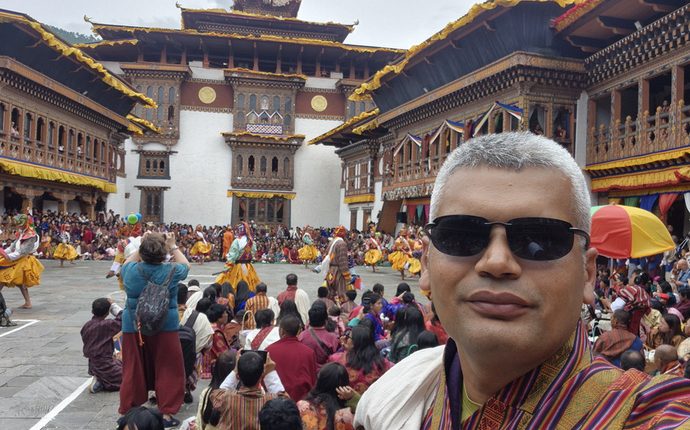
- Festival Highlight: The Paro Tshechu is the star of the spring season. Held at Rinpung Dzong, this three-day festival features mesmerizing masked dances (cham) and the unfurling of a giant thangka (religious scroll) at dawn .
- Trekking: Excellent for lower altitude treks like the Bumdra Trek or the Druk Path Trek. Trails are lined with flowers, and the weather is stable .
- Who should go? Nature lovers, photographers, and first-time visitors who want to experience Bhutan’s culture without extreme cold.
- Downside: April is very busy. Book flights and hotels at least 3-4 months in advance.
Autumn in Bhutan (September to November)
Ask any tour operator, and they will tell you: autumn is Bhutan at its absolute peak. The monsoon rains have washed the dust from the sky, leaving behind a canvas of electric blue skies and dazzling white Himalayan peaks .
- Weather: Crisp, dry, and clear. Daytime temperatures hover around 15°C to 25°C (59°F to 77°F). Nights are chilly.
- Festival Highlight: The Thimphu Tshechu is the largest festival in the country. Tens of thousands of Bhutanese gather in the capital for three days of sacred mask dances, folk songs, and celebration .
- Trekking: This is the gold standard for trekking. The famous Snowman Trek (one of the hardest treks in the world) is best done in October. The Jomolhari Trek offers breathtaking, unobstructed views of Mt. Jomolhari .
- Who should go? Serious trekkers, cultural enthusiasts, and those seeking the classic “postcard” view of the Himalayas.
- Downside: This is the most expensive and crowded time of year. October, in particular, requires booking 4-6 months ahead .
Should You Visit in Winter or Summer?
Winter (December to February): The Quiet Contemplative
While the valleys are cold (nighttime temps can drop below freezing), the skies are often brilliantly clear. The high mountain passes close due to snow, but the lower valleys like Punakha are perfect for gentle walks. This is the best time for birdwatchers, as the endangered Black-Necked Cranes migrate to the Phobjikha Valley .
- Pros: No crowds, lower prices, cozy cultural experiences.
- Cons: Very cold at night, no high-altitude trekking.
Summer (June to August): The Emerald Kingdom
The monsoon hits Bhutan from June to August, bringing rain, humidity, and leeches on the trails. However, the rain usually falls in the late afternoon, leaving mornings clear. The valleys turn an impossibly vibrant shade of green, and clouds wrap the monasteries in mystery. This is the season for mushroom lovers—the Matsutake festivals are a unique highlight .
- Pros: Deeply discounted travel packages, empty temples, lush photography.
- Cons: Flight delays possible, slippery roads, no mountain views.
- Who should go? Budget travelers, spiritual seekers, and photographers who love misty landscapes.
Best Time for Specific Activities
Best Time for Trekking
Bhutan offers some of the most pristine trekking routes in the world. You might be interested in best time to trek in Nepal.
Best Time for Festivals (Tshechus)
Festivals are the heartbeat of Bhutanese culture. The dates change yearly based on the Bhutanese lunar calendar. Here are the confirmed dates for the remainder of 2026 :
- Punakha Dromche: February 24 – 26, 2026
- Paro Tshechu: March 29 – April 2, 2026
- Kurjey Tshechu (Bumthang): June 24, 2026
- Wangdue Tshechu: September 19 – 21, 2026
- Thimphu Tshechu: September 21 – 23, 2026
- Black-Necked Crane Festival (Gangtey): November 11, 2026
- Trongsa Tshechu: December 17 – 21, 2026
👉 Check Official Dates: For the most up-to-date festival calendar, visit the Bhutan Tourism official website or the Drukair (Royal Bhutan Airlines) events page.
Best Time for Wildlife (Black-Necked Cranes)
If you want to see the majestic Black-Necked Cranes, plan your trip for mid-November to February. They arrive in the Phobjikha Valley from the Tibetan Plateau in late October and stay through the winter. The Black-Necked Crane Festival is held annually on November 11 at the Gangtey Monastery .
Regional Weather Variations
Bhutan’s geography creates microclimates. You can drive from subtropical jungle to alpine tundra in a single morning.
- Western Bhutan (Paro, Thimphu, Punakha): The most visited region. Warm summers, cold winters, pleasant springs/autumns. Punakha is always 5-8°C warmer than Paro .
- Central Bhutan (Bumthang, Trongsa): Higher altitude. Colder year-round. Famous for buckwheat and dairy. Winter temperatures frequently drop to -10°C (14°F) .
- Eastern Bhutan (Mongar, Trashigang): Warmer and drier than the west. Less visited, but equally beautiful. Best visited in spring or autumn .
- Southern Bhutan (Phuentsholing, Gelephu): Subtropical climate. Hot and humid most of the year. The gateway by land from India.

Final Verdict: When Should You Go?
If you are dreaming of the perfect postcard—clear skies, iconic monasteries, and comfortable hiking—book your flight for October. You won’t regret it.
However, if you want to see the country in a riot of color, with fewer tourists and blooming flowers, April is your month.
And if you are on a budget or seeking a spiritual escape, don’t rule out December (for clear, cold days) or August (for deep green solitude) .
No matter when you choose, Bhutan has a way of exceeding expectations. It is not just a destination; it is a feeling—one that lingers long after you’ve returned home.
Useful Resources for Planning
- Bhutan Tourism Official Site: https://holidays.drukair.com.bt – For official packages and information.
- Drukair (National Airline): https://www.drukair.com.bt – Check flight schedules to Paro International Airport.
- Bhutan Visa & SDF: Your tour operator will handle this, but ensure you budget for the $100/day SDF.
Namaste and safe travels! 🙏✨