The Ultimate Guide to Popular Treks in Nepal: From Everest to Hidden Valleys
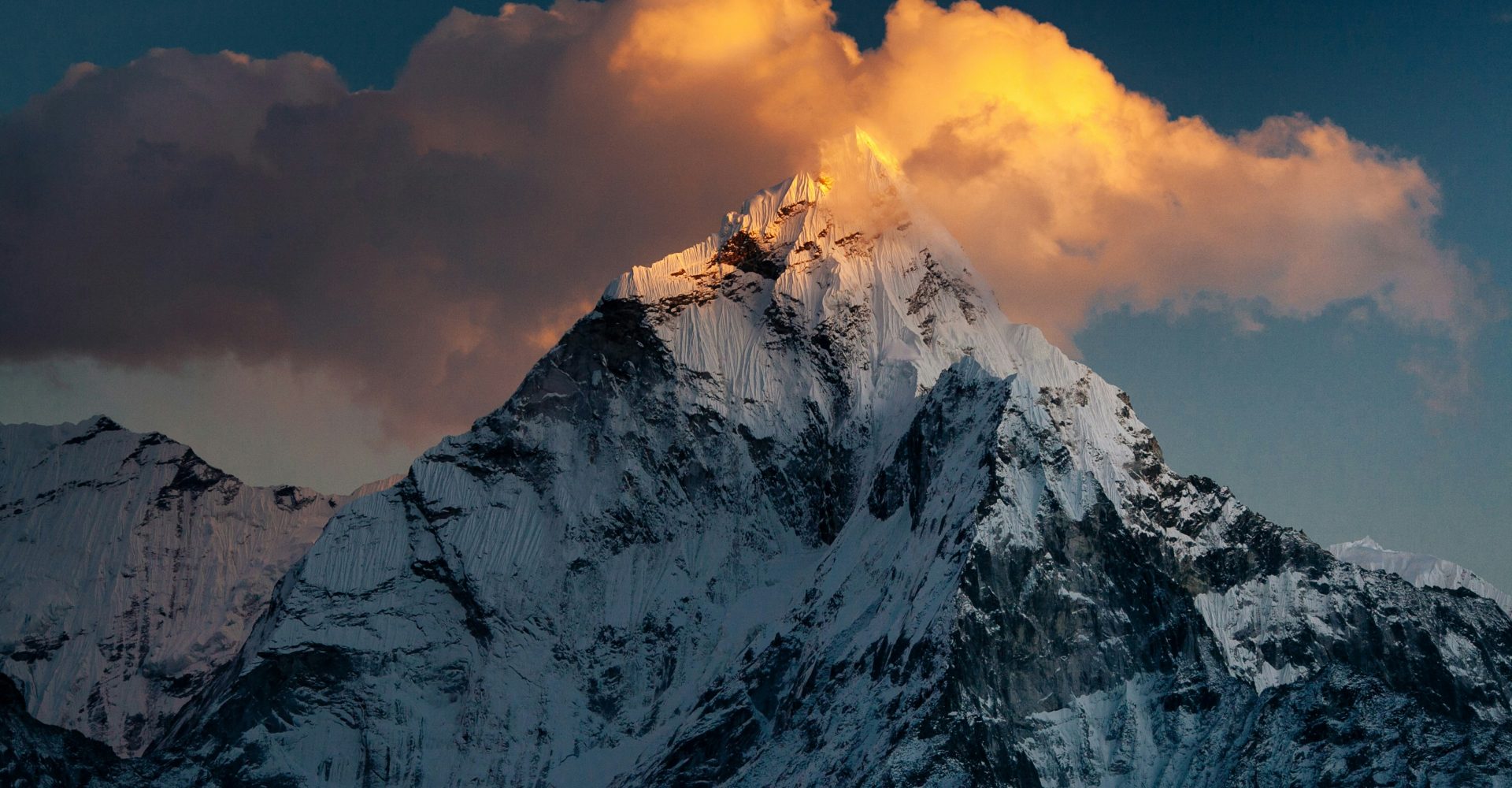
Nepal is nothing short of a trekker’s paradise. Home to eight of the world’s 14 highest peaks, including the legendary Mount Everest (Sagarmatha), this small Himalayan nation offers more variety in trekking experiences than almost any other country on earth.
Whether you’re a first-time hiker looking for a week of stunning sunrise views or a seasoned mountaineer attempting one of the most challenging routes on the planet, Nepal has a trek for you . This comprehensive guide breaks down the most popular treks, compares them side-by-side, and gives you all the practical information you need to start planning.
“The mountains are calling, and I must go.” – While John Muir famously said this about the Sierra Nevada, it could easily be the motto of every trekker who has ever gazed upon the Annapurnas or watched sunrise over Everest from Kala Patthar.
Quick Comparison: Nepal’s Top Treks at a Glance
Before diving into the details, here’s a quick overview to help you narrow down your options :
| Trek Name | Duration | Max Altitude | Difficulty | Best Season | Best For |
|---|---|---|---|---|---|
| Everest Base Camp | 12-16 days | 5,644m (Kala Patthar) | Strenuous | Mar-May, Sept-Nov | Iconic views, Sherpa culture |
| Annapurna Circuit | 14-21 days | 5,416m (Thorong La) | Strenuous | Mar-May, Sept-Nov | Diverse landscapes, cultural variety |
| Annapurna Base Camp | 7-12 days | 4,130m | Moderate | Mar-May, Sept-Nov | Shorter duration, panoramic amphitheater |
| Ghorepani Poon Hill | 4-6 days | 3,210m | Easy-Moderate | Mar-May, Sept-Nov | Sunrise views, beginners, families |
| Langtang Valley | 7-10 days | 5,033m (Tserko Ri) | Moderate | Mar-May, Sept-Nov | Close peaks, Tamang culture |
| Manaslu Circuit | 14-18 days | 5,160m (Larkya La) | Strenuous | Sept-Nov, Mar-Apr | Remote wilderness, restricted area |
| Upper Mustang | 10-16 days | 3,800m | Moderate | Mar-Nov | Tibetan culture, desert landscape |
Best Seasons for Trekking in Nepal
Timing is everything in the Himalayas. The weather can make or break your trek, so choosing the right season is crucial .
Autumn (September to November): The Absolute Best
This is widely considered the golden season for trekking in Nepal .
- Weather: The monsoon rains have cleared the sky, leaving behind crystal-clear air, stable weather, and moderate temperatures.
- Temperatures: Daytime 15-20°C in the hills; -10°C to 10°C at high altitudes.
- Crowds: Expect busy trails and full teahouses, especially in October.
- Cultural Bonus: You might experience major festivals like Dashain and Tihar.
Spring (March to May): Blooming Beauty
Spring is the second-best season and a firm favorite for nature lovers .
- Weather: Mild and sunny with warmer temperatures at higher elevations.
- Temperatures: Daytime 24-28°C at lower elevations (1,400m); comfortable trekking conditions.
- Special Highlight: The hillsides explode in color as rhododendron forests (Nepal’s national flower) burst into full bloom.
- Best For: Moderate treks, photography, and climbing season for 8,000m peaks.
Winter (December to February): Quiet and Crisp
While the high passes become snowed in, winter offers a unique charm for lower-altitude treks .
- Weather: Cold and dry with clear skies but freezing temperatures at night (as low as -20°C at high altitudes).
- Pros: Fewer trekkers, quiet trails, and discounted prices.
- Cons: Some high-altitude teahouses close; flights can be delayed by fog.
Summer/Monsoon (June to August): The Green Season
Trekking during the monsoon is not recommended for most routes due to heavy rain, leeches, and limited mountain views .
- Who should go: Budget travelers and those seeking lush, empty landscapes.
- Where to go: Rain-shadow areas like Upper Mustang remain dry and accessible.
The Top 7 Popular Treks in Detail
1. Everest Base Camp (EBC) Trek – The Iconic Journey

The Everest Base Camp trek is the undisputed king of Nepali treks. It’s a journey into the heart of Sherpa country, following in the footsteps of legendary climbers Tenzing Norgay and Sir Edmund Hillary.
The trek takes you to the foot of the world’s highest mountain, culminating at Kala Patthar (5,644m), the best vantage point for sunrise over Everest, Nuptse, and Lhotse .
- Duration: 12-16 days
- Max Altitude: 5,644m at Kala Patthar
- Difficulty: Strenuous – requires excellent fitness and proper acclimatization.
- Starting Point: Lukla (after a thrilling flight from Kathmandu)
- Permits: Sagarmatha National Park Permit + Khumbu Pasang Lhamu Rural Municipality Entry Permit (TIMS is NOT required for the Everest region) .
What Makes EBC Special?
The trek is not just about the destination. The journey through Namche Bazaar, Tengboche Monastery (with Ama Dablam looming behind it), and the rugged glacial moraine is an experience in itself. The Sherpa culture, with its monasteries, prayer flags, and warm hospitality, adds a profound spiritual layer to the adventure.
Trekkers’ Quote: “EBC is not a walk in the park; it’s a walk in the clouds. You will be tested, but the moment you see the sun hit the top of Everest, you will understand why you came.”
2. Annapurna Circuit – The Classic Cultural Trek

Once considered the greatest trek in the world, the Annapurna Circuit offers incredible diversity—from subtropical forests and rice paddies to alpine deserts and high mountain passes .
The highlight is crossing the Thorong La Pass at 5,416 meters, a challenging but rewarding day that takes you from the Manang Valley to the holy temple of Muktinath .
- Duration: 14-21 days
- Max Altitude: 5,416m (Thorong La Pass)
- Difficulty: Strenuous – long days and high altitude.
- Starting Point: Besisahar or Chame
- Permits: Annapurna Conservation Area Permit (ACAP) + TIMS card .
Why Choose Annapurna Circuit?
Unlike the Everest region, which is predominantly Sherpa, the Annapurna Circuit passes through villages of Gurung, Manangi, Thakali, and Tibetan-influenced cultures. The landscape changes dramatically every day, and the teahouses are among the best in Nepal .
3. Annapurna Base Camp (ABC) Trek – The Sanctuary Trek

Often called the “ABC Trek,” this route takes you into a natural amphitheater surrounded by some of the world’s highest peaks, including Annapurna I (8,091m), Machhapuchhre (the “Fishtail”), and Hiunchuli.
The view from Annapurna Base Camp (4,130m) is jaw-dropping—you are completely encircled by towering snow-capped giants .
- Duration: 7-12 days
- Max Altitude: 4,130m
- Difficulty: Moderate – suitable for fit beginners with proper preparation.
- Starting Point: Pokhara (a scenic drive/lake city)
- Permits: ACAP Permit + TIMS card.
Why Choose ABC?
It offers the “big mountain” experience in a shorter timeframe. The trek through bamboo and rhododendron forests is beautiful, and the gradual ascent makes altitude sickness less of a concern than on the EBC or Circuit treks.
4. Ghorepani Poon Hill Trek – The Sunrise Viewpoint

If you only have a week or are new to trekking, this is your trek. It’s short, sweet, and delivers one of the most photographed sunrises on earth.
From the Poon Hill viewpoint (3,210m), you watch the first rays of sun hit the Annapurna and Dhaulagiri ranges, painting the sky in shades of gold and orange.
- Duration: 4-6 days
- Max Altitude: 3,210m
- Difficulty: Easy to Moderate – suitable for families and beginners.
- Starting Point: Pokhara (drive to Nayapul or Hile)
- Permits: ACAP Permit + TIMS card.
Why Choose Poon Hill?
It’s a fantastic introduction to Nepali trekking. The stone staircases (over 3,000 steps to Poon Hill) are a good workout, but the infrastructure is excellent, and the views are world-class for minimal effort.
5. Langtang Valley Trek – The Hidden Valley

Located just north of Kathmandu, the Langtang Valley is often called the “Valley of Glaciers.” It was heavily damaged by the 2015 earthquake but has since rebuilt and welcomes trekkers with open arms.
This trek offers stunning Himalayan views, particularly of Langtang Lirung (7,227m), without the crowds of the Everest or Annapurna regions .
- Duration: 7-10 days
- Max Altitude: 5,033m (Tserko Ri)
- Difficulty: Moderate .
- Starting Point: Syabrubesi (7-8 hour drive from Kathmandu)
- Permits: Langtang National Park Permit + TIMS card.
Why Choose Langtang?
It’s perfect for those with limited time who want a genuine “wilderness” feel. The Tamang culture is distinct from the Sherpas, and the proximity to Kathmandu means less travel time.
6. Manaslu Circuit Trek – The Off-the-Beaten-Path Adventure

For trekkers who want the challenge of a circuit without the crowds of Annapurna, the Manaslu Circuit is the answer. Circling the world’s eighth-highest mountain, Mt. Manaslu (8,163m), this trek is a true adventure.
The trek crosses the Larkya La Pass (5,160m) and traverses a restricted area that was only opened to foreigners in 1992 .
- Duration: 14-18 days
- Max Altitude: 5,160m (Larkya La Pass)
- Difficulty: Strenuous – remote and high altitude.
- Permits: Restricted Area Permit (RAP) + Manaslu Conservation Area Permit (MCAP). A licensed guide is mandatory here .
Why Choose Manaslu?
It offers a more authentic, less commercialized experience. The cultural blend of Tibetan Buddhism and the remote villages like Samagaon make it feel like an expedition.
7. Upper Mustang Trek – The Forbidden Kingdom

Once a restricted kingdom closed to foreigners, Upper Mustang feels like stepping into another world—more Tibetan than Nepali, with stark desert landscapes, ancient cave dwellings, and walled cities.
It lies in the rain shadow of the Himalayas, meaning you can trek here even during the monsoon season .
- Duration: 10-16 days
- Max Altitude: 3,800m
- Difficulty: Moderate – no high passes, but can be windy.
- Starting Point: Jomsom (flight from Pokhara)
- Permits: Restricted Area Permit (RAP) – USD 500 per person for the first 10 days . A guide is mandatory.
Why Choose Upper Mustang?
It’s not about soaring peaks; it’s about culture and history. The capital, Lo Manthang, with its royal palace and surrounding wall, is a highlight.
Teahouse Trekking: Your Home in the Mountains
Almost all popular treks in Nepal operate on the teahouse system. This is one of the reasons trekking here is so accessible .
What is a Teahouse?
A teahouse is a family-run mountain lodge. You don’t need to carry a tent or food. Each day you walk from village to village, and at the end of the day, you sleep in a lodge, eat a hot meal in the communal dining room, and do it all again the next day .
What to Expect :
- Rooms: Very basic. Usually twin beds with a thin foam mattress, pillow, and blankets.
- Toilets: Shared, squat or Western-style. Hot showers are available for a fee (usually $2-5).
- Dining: The dining room is the social heart. It’s heated by a wood-burning stove (bukhari). Expect hearty food like dal bhat (rice and lentils), noodles, soups, and momos.
- The Business Model: Rooms are surprisingly cheap ($2-10 per night). The lodges make their profit from the meals you buy .
Teahouse Etiquette Tips :
- Don’t just buy a tea: If you stop for a rest in a teahouse during the day, buy a drink or a snack. It’s their livelihood.
- Be patient: Service is slow and relaxed. You’re on mountain time.
- Bring a sleeping bag: While blankets are provided, they may not be washed often. A sleeping bag liner is essential.
Permits, Fees, and Regulations (2026 Update)
Understanding permits is crucial for a legal trek. Here is the breakdown:
Standard Permits (Most Treks)
- TIMS Card (Trekking Information Management System): Required for most treks except Everest. Costs Rs. 2,000 per person. As of April 2026, you must obtain this through a registered trekking agency or guide .
- National Park/Conservation Permit: Costs vary (approx. USD 30). Examples include ACAP for Annapurna and Sagarmatha National Park for Everest .
Restricted Area Permits (RAP)
These are required for “off-the-beaten-path” treks like Manaslu, Upper Mustang, Nar Phu, and Dolpo.
| Restricted Area | Permit Cost (2026) | Guide Required? |
|---|---|---|
| Upper Mustang | USD 500 (first 10 days) | Yes |
| Manaslu (Sept-Nov) | USD 100 per week | Yes |
| Manaslu (Dec-Aug) | USD 75 per week | Yes |
| Tsum Valley (Sept-Nov) | USD 40 per week | Yes |
| Nar Phu (Sept-Nov) | USD 100 per week | Yes |
Important 2026 Regulation Update: The government has banned solo trekking without a guide in most areas. While you can now apply for permits as an individual in restricted areas, you must hire a licensed guide .
Essential Planning Checklist
Here’s a quick checklist to help you prepare :
- Choose your trek (duration, difficulty, season).
- Book through a registered agency (or hire a licensed guide).
- Secure flights (Domestic flights to Lukla or Jomsom book out months in advance for peak season).
- Get travel insurance (Must cover high-altitude trekking up to 5,500m+ and emergency helicopter evacuation).
- Obtain permits (Your agency will usually handle this).
- Pack wisely (Layers, waterproof jacket, good boots, sleeping bag, water purification).
- Train physically (Focus on cardio, leg strength, and hiking with a weighted pack).
Final Verdict: Which Trek is Right for You?
- For the First-Timer: Choose Ghorepani Poon Hill or Langtang Valley. Short, scenic, and manageable.
- For the Adventurer: Choose Manaslu Circuit or Upper Mustang. Remote, challenging, and culturally rich.
- For the Dreamer: Choose Everest Base Camp. Yes, it’s crowded and expensive. It’s also unforgettable.
- For the All-Rounder: Choose Annapurna Circuit. Diverse, classic, and a true test of endurance.
Nepal is more than a destination; it’s an experience that will challenge your body, inspire your soul, and call you back again and again. The mountains are waiting. When will you answer the call?
Namaste and happy trekking! 🙏🏔️
🌐 Useful Resources & Links
- Nepal Tourism Board: https://ntb.gov.np – Official updates on permits and regulations.
- Department of Immigration (for RAPs): https://nepalimmigration.gov.np
- Weather & Season Info: Check current conditions before you go .