Balancing Conservation and Coexistence: The Story of Dhrube and Nepal’s Wild Elephants
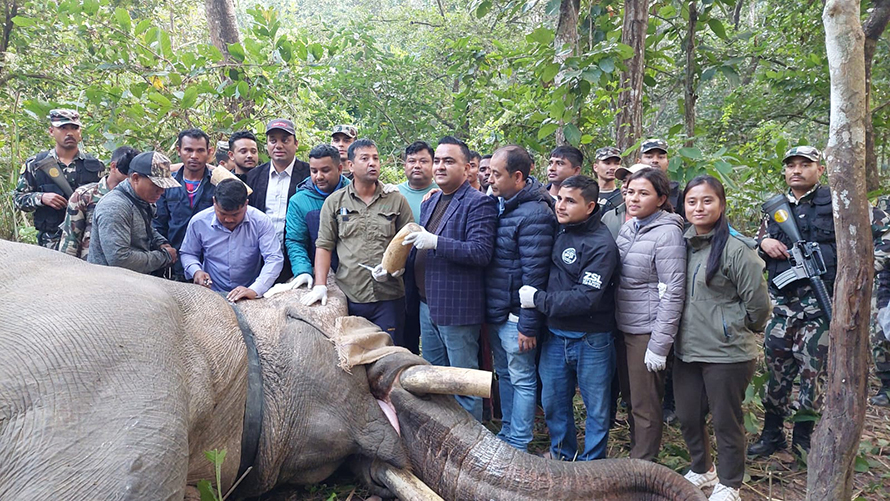
Nepal’s lush Terai lowlands are famous worldwide for hosting some of Asia’s most spectacular wildlife. But behind the serene images of jungle safaris lies a complex, ongoing struggle for coexistence between local communities and the region’s largest inhabitants: wild Asian elephants. A recent high-stakes wildlife management operation in Chitwan National Park has brought this delicate balance back into the global spotlight.
The Tense Reality: The Case of “Dhrube”
In Chitwan National Park, a notorious wild male tusker known as Dhrube has long been monitored by park authorities. Named after his formidable nature, Dhrube has recently been involved in a tragic incident in the Sukhibhar area of the park, where he attacked and killed a 21-year-old mother and her 4-year-old son outside their home. This heartbreaking event brings the total number of human casualties attributed to this single elephant over the years to 25.
In response to the growing danger and to protect nearby human settlements, park officials led by Chief Conservation Officer Dil Bahadur Purja Pun have launched an emergency intervention:
Specialized veterinary teams are deployed in the field, prepared to safely tranquilize Dhrube as soon as he is located.
Once sedated, the elephant’s tusks will be safely trimmed short. Shorter, blunt tusks drastically minimize his ability to cause fatal harm during future human encounters or structural damage to village homes
The team is fitting him with a brand-new, advanced GPS satellite radio collar because his previous tracking equipment has been failing to provide timely data. This will send real-time alerts whenever he approaches park boundaries, allowing conservationists to warn local communities and proactively herd him back into the wild.
Following the incident, local disaster management committees and conservation organizations have mobilized to rebuild the homes damaged during Dhrube’s recent movements.
Meet the Giants: Elephant Varieties in Nepal
All elephants roaming the dense jungles of Nepal belong to a single magnificent species: the Asian Elephant (Elephas maximus). Within this species, Nepal is home to the Indian Elephant (Elephas maximus indicus) subspecies. Unlike their African cousins, Asian elephants have smaller ears, distinct twin domes on their heads, and only the males typically grow large tusks.
In Chitwan National Park, local trackers and rangers identify individual wild bulls by distinct names based on their personalities and physical traits:
Dhrube: The dominant, high-conflict bull currently being tracked for relocation and safety intervention.
Ronaldo and Govinde: Other prominent wild male tuskers who inhabit the park grounds. These wild bulls play an irreplaceable role in the ecosystem, serving as the primary gene pool for breeding with the park’s female elephant population.
PDF
By The Numbers: Nepal’s Wild Elephant Population
Wild elephants are highly protected under Nepal’s strict National Parks and Wildlife Conservation Act. Today, Nepal’s resident wild elephant population is estimated to be between 200 and 250 individuals. Because elephants are mega-herbivores requiring vast swathes of land to forage, they live across four highly isolated regional pockets spanning the Terai belt:
In Bardia National Park, there are over 100 elephants, making it the largest single contiguous population in western Nepal.
In Chitwan and Parsa National Parks, there are 45 to 50 wild elephants. This area is home to famous resident bulls like Dhrube, Ronaldo, and Govinde.
In Suklaphanta National Park, there are 25 to 30 wild elephants located in the far-western corner, sharing a border corridor with India. In Koshi Tappu and the Jhapa District, there are roughly 35 resident elephants, though this area is highly affected by seasonal migration waves of over 100 elephants crossing over from West Bengal, India.
The Path Forward for Sustainable Tourism
Incidents like those in Chitwan underscore the delicate reality of wildlife conservation. True conservation isn’t just about protecting animals in a vacuum; it’s about funding intelligent, tech-driven solutions—like the satellite radio collaring of Dhrube—that keep both magnificent wild beasts and indigenous human communities safe.
When you join a regulated, eco-conscious trek or jungle safari in Nepal, a portion of your travel footprint goes directly toward park management, community relief funds, and anti-poaching initiatives. By supporting responsible tourism, you directly contribute to the resources Nepal needs to build sturdier buffers, track vulnerable species, and ensure that humans and wild giants can share the Terai for generations to come.