Gentle Steps, Big Views: The Ultimate Guide to Easy Treks in Nepal

When people think of trekking in Nepal, their minds often jump straight to the heroic images of Everest Base Camp or the challenging Annapurna Circuit. While these iconic treks are a dream for many, they require significant time, fitness, and preparation. But what if you love nature, crave adventure, or are simply curious about the Himalayas but don’t want to commit to a grueling two-week expedition?
The good news is that Nepal is not just for hardcore mountaineers. It is also home to a wealth of easy and short treks that offer a perfect introduction to the country’s stunning landscapes and rich culture. These gentler trails prove that you don’t have to climb the highest peaks to experience the magic of the Himalayas . Whether you are a first-time trekker, traveling with family, or short on time, there’s a perfect easy trek waiting for you.
This guide will walk you through everything you need to know about easy trekking in Nepal, from what defines an “easy” trek to the best routes and essential planning tips.
What Makes a Trek “Easy” in Nepal?
Easy treks in Nepal are specifically designed to be accessible. They strip away the extreme challenges of high-altitude trekking while retaining all the beauty and cultural immersion. Here’s what generally defines them :
- Lower Altitudes: These treks typically stay below 3,000 to 4,000 meters. This significantly reduces the risk of altitude sickness, making them safer for beginners and families. You can enjoy mountain views without the thin air .
- Shorter Duration: Most easy treks can be completed in 1 to 5 days. This makes them perfect for weekend adventures or for travelers who want to combine a trek with other activities in Nepal .
- Gentle Trails: The paths are usually well-defined, well-maintained, and less steep than their more challenging counterparts. You can expect a mix of stone steps, forest paths, and gentle inclines rather than treacherous climbs .
- Easy Accessibility: The trailheads for these treks are often just a short drive or bus ride away from the major hubs of Kathmandu and Pokhara, saving you time and the expense of internal flights .
- Teahouse Infrastructure: Even on these shorter routes, you’ll find a network of cozy teahouses (local lodges) that provide a warm bed, hot meals, and a place to rest. This means you don’t need to carry camping gear .
Why Choose an Easy Trek?
Opting for an easier route doesn’t mean you’re missing out. In fact, it offers unique advantages:
- Perfect for Beginners: They provide a gentle, pressure-free introduction to trekking, allowing you to learn the ropes and see if you love it .
- Ideal for Families and Seniors: With lower altitudes, shorter walking days, and safe trails, these treks are wonderful for multi-generational travel experiences .
- Low Risk, High Reward: You can soak in panoramic mountain views, walk through peaceful rhododendron forests, and experience local village life with minimal physical strain and lower risk of altitude-related problems .
- Budget-Friendly: Because they are shorter, you’ll spend less on food, accommodation, and guides. Some are even doable without a guide, which can further reduce costs .
- A Taste of the Himalayas: They are a fantastic way to experience the essence of a Himalayan trek—the scenery, the culture, the teahouses—without a massive time or energy commitment .
Top Easy Treks in Nepal
Here are some of the best easy treks, categorized by their starting point.
From Pokhara: The Annapurna Region
Pokhara is the launching point for some of Nepal’s most famous and accessible treks.

1. Ghorepani Poon Hill Trek
- Duration: 4-5 days
- Max Altitude: 3,210m (Poon Hill)
- Difficulty: Easy to Moderate
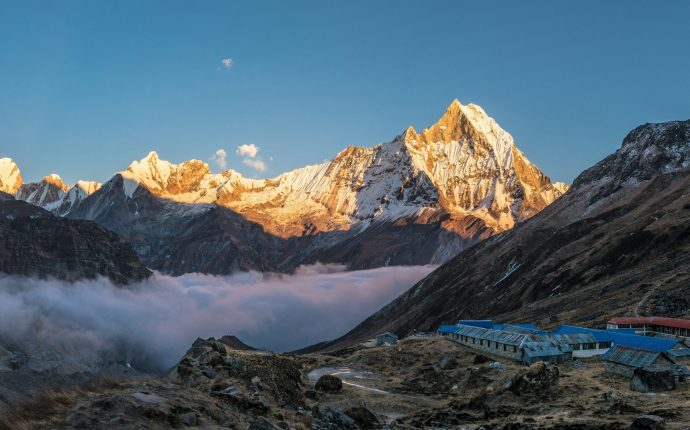
This is arguably the most popular and classic short trek in Nepal—and for good reason. It’s a perfect introduction to the Himalayas . The trek winds through lush rhododendron forests (spectacular in spring) and traditional Gurung and Magar villages. The ultimate reward is a pre-dawn hike to Poon Hill, a famous viewpoint where you are greeted with a breathtaking 360-degree panorama of the Annapurna and Dhaulagiri ranges, including the majestic Machapuchare (Fishtail), as the rising sun paints the peaks gold .

2. Mardi Himal Trek
- Duration: 4-5 days
- Max Altitude: ~4,500m (Mardi Himal Base Camp)
- Difficulty: Moderate (but manageable for beginners with basic fitness)
The Mardi Himal Trek is a hidden gem that has gained popularity for offering a more off-the-beaten-path feel while still being close to Pokhara . The trek takes you from lush, lowland forests to a high, open ridge with incredibly close-up views of Machapuchare, Annapurna South, and Hiunchuli. It feels like a “real” mountain adventure but in a condensed timeframe . While the altitude at the base camp is higher, the trail is well-graded, and the sense of being surrounded by giants is unmatched .

3. Ghandruk Trek
- Duration: 2-3 days
- Max Altitude: ~2,012m
- Difficulty: Easy
This is a short and sweet cultural trek that focuses on the beautiful Gurung village of Ghandruk . The trail starts from Nayapul and gently climbs through forests and terraced fields to reach the village. Ghandruk itself is a highlight, with its traditional stone houses, slate-roofed buildings, and the Gurung Museum. From the village, you are treated to stunning views of Annapurna South, Machapuchare, and Hiunchuli. It’s a perfect, low-stress option for families .

4. Dhampus Sarangkot Trek
- Duration: 1-2 days
- Max Altitude: ~1,600m
- Difficulty: Very Easy
If you are extremely short on time or want the least strenuous option, this is it. Located a short drive from Pokhara, this trek is more of a gentle hill walk . It takes you through charming villages and offers spectacular sunrise and sunset views over the Annapurna range from Sarangkot, a popular viewpoint. You can even combine it with a stay in a village homestay for a true cultural experience. It’s suitable for all ages and fitness levels .
From Kathmandu: Around the Valley and Langtang
You don’t have to go far from the capital to find beautiful, easy treks.

5. Nagarkot to Chisapani Trek
- Duration: 2-3 days
- Max Altitude: ~2,175m (Nagarkot)
- Difficulty: Easy
This trek is a wonderful escape from the bustling city of Kathmandu. It combines the sunrise views from the popular hill station of Nagarkot with a walk through the peaceful forests of Shivapuri National Park to the quiet village of Chisapani . The trails are mostly gentle, passing through small villages and offering serene views of the Langtang range. It’s a perfect quick getaway to experience the rural countryside .

6. Helambu Trek
- Duration: 5-7 days
- Max Altitude: ~3,650m (at its highest point)
- Difficulty: Moderate (Easy to moderate)
The Helambu Trek is one of the most accessible treks from Kathmandu, as it starts just a short drive away . It doesn’t require any flights, making it a great budget-friendly option. The trail winds through beautiful forests, terraced fields, and traditional Sherpa and Tamang villages. You’ll be rewarded with lovely views of the Langtang and Ganesh Himal ranges and can visit ancient Buddhist monasteries. It’s a fantastic mix of nature and culture without the need for long drives or expensive logistics .

7. Tamang Heritage Trek
- Duration: 5-7 days
- Max Altitude: ~3,165m (Nagthali Danda)
- Difficulty: Easy to Moderate
Located in the Langtang region, this trek is a cultural gem. It was developed to give visitors a deep insight into the unique lifestyle, traditions, and warm hospitality of the Tamang people, whose culture has strong Tibetan influences . The trail passes through villages like Gatlang and Tatopani (where you can enjoy natural hot springs). You’ll be rewarded with stunning views of the Langtang range and the Ganesh Himal, all while experiencing a rich, living culture .

8. Mohare Danda Trek
- Duration: 5-8 days
- Max Altitude: ~3,300m
- Difficulty: Easy to Moderate
The Mohare Danda Trek is an emerging eco-community trekking route in Nepal’s Annapurna region, offering a less crowded experience with stunning panoramic views of the Annapurna and Dhaulagiri Himalayas, rich Magar and Gurung cultural immersion through community-based lodges, and a trek through rhododendron, oak, and bamboo forests.
Everest Region (Without the High Passes)
You don’t have to go all the way to Base Camp to see Everest.

9. Everest View Trek / Pikey Peak Trek
- Duration: 5-8 days
- Max Altitude: ~4,065m (Pikey Peak)
- Difficulty: Moderate
Many people dream of seeing Mount Everest but are daunted by the long and challenging EBC trek. The Everest View Trek is the perfect alternative, offering a taste of the Khumbu region with fantastic views of Everest, Lhotse, and Ama Dablam, all without going above 4,000 meters . Another excellent option in the region is the Pikey Peak Trek. This trek is on a quieter, less crowded trail and offers what many claim to be some of the best panoramic views of the Everest range, from the summit of Pikey Peak itself . It’s a wonderful way to experience Sherpa culture and stunning Himalayan vistas in a shorter time frame .
Planning Your Easy Trek: A Beginner’s Guide
Best Time to Trek
The best times for easy treks are the same as for all treks in Nepal :
- Spring (March to May): Pleasant weather and trails lined with colorful rhododendron blossoms.
- Autumn (September to November): Crystal-clear skies, stable weather, and the best mountain views. Read an in-depth article about trekking Nepal in November.
While winter (Dec-Feb) can be cold, especially at night, many easy treks at lower altitudes are still feasible and offer quiet trails. The monsoon (June-August) is generally best to avoid due to rain, leeches, and slippery paths .
Fitness Preparation
You don’t need to be an athlete, but basic fitness will make your trek much more enjoyable . Aim to be comfortable walking for 4-5 hours a day. A simple training regimen starting a few weeks before your trip can include daily walks, taking the stairs, and practicing with a small backpack .
Essential Packing List
Pack light but smart. Here are the essentials :
- Footwear: Sturdy, comfortable, and well-broken-in hiking boots.
- Clothing: Quick-dry t-shirts, a fleece or warm jacket, a waterproof jacket, hiking pants, thermal layers for cold nights, a warm hat, gloves, and a sun hat.
- Gear: A 30-40 liter backpack, trekking poles (highly recommended), a headlamp, a reusable water bottle, and water purification tablets.
- Health & Sun: Sunscreen, lip balm with SPF, and a basic first-aid kit.
- Extras: Power bank (electricity in teahouses can be limited), snacks like energy bars.
You can rent items like sleeping bags and down jackets in Kathmandu or Pokhara to save on luggage .
Guides, Porters, and Permits
- Guide or Solo?: For the most popular, well-marked trails like Poon Hill, experienced trekkers can often go solo . However, for your first time, hiring a guide is highly recommended. They enhance your experience with local knowledge, handle logistics, and are invaluable in case of any issues . Note that solo trekking is restricted in some areas, and hiring a licensed guide is mandatory in many regions .
- Permits: Even on easy treks, you’ll need permits. The most common are the TIMS (Trekkers’ Information Management System) card and a National Park or Conservation Area permit (like ACAP for the Annapurna region). Your guide or trekking agency can usually arrange these for you .
Food and Accommodation
One of the joys of teahouse trekking is the food. You’ll find hearty, warming meals to fuel your day. The staple is Dal Bhat (rice, lentil soup, and vegetables), which is filling and energy-packed. You’ll also find noodles, soups, pasta, pancakes, and momos . Accommodation is in simple, family-run teahouses offering basic but clean rooms and shared bathrooms .
Conclusion
Easy treks in Nepal open up a world of Himalayan beauty and cultural wonder to almost everyone. You don’t need to be a super-athlete or have months of free time to walk among giants. These gentle trails offer the perfect blend of adventure, stunning scenery, and authentic local experiences, all at a pace that lets you savor every moment.
So, whether you’re standing on Poon Hill as the sun ignites Annapurna, or sipping tea with a Tamang family in a mountain village, you’ll discover that the easiest path can lead to the most unforgettable memories. Start planning your gentle Himalayan adventure today
Ready for your trip to Nepal? Feel free to contact us for any queries