Mount Everest: The Complete Guide to Earth’s Highest Peak
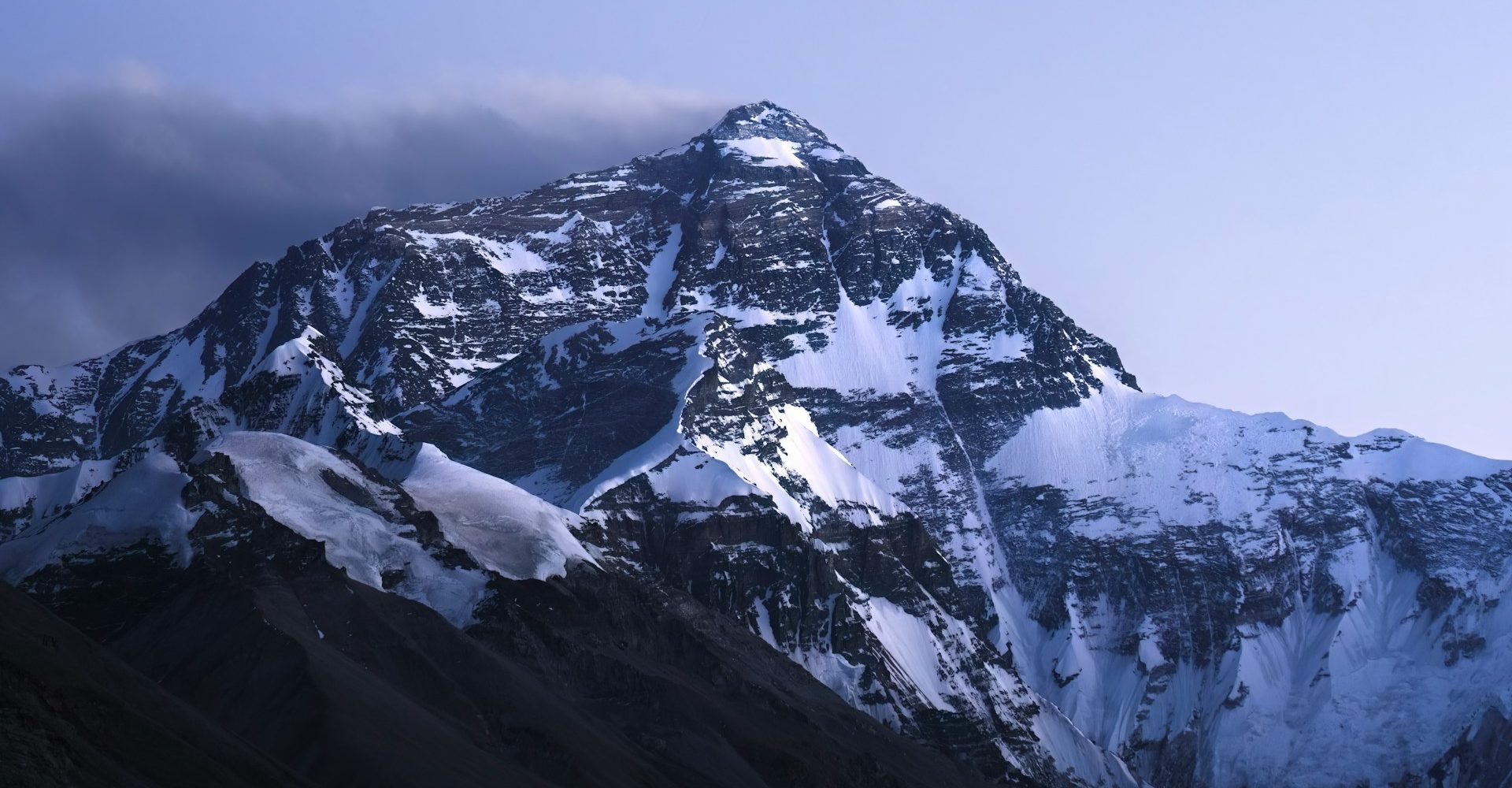
Towering above the Himalayas, Mount Everest has captivated explorers, climbers, and dreamers for generations. As the highest point on Earth, this legendary peak represents the ultimate challenge in mountaineering. This comprehensive guide answers everything you need to know—from how tall is Everest to how many people have climbed Mount Everest successfully and the extraordinary wildlife on Mount Everest that survives in its harsh shadow.
1. Where is Mount Everest Located?
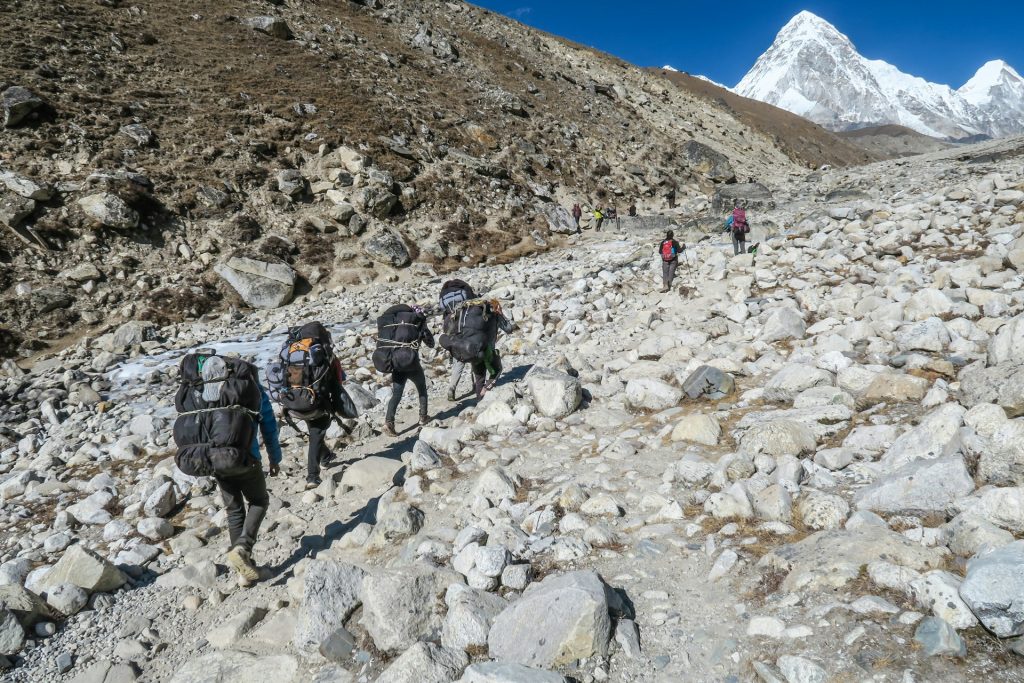
One of the most common questions is which country is Everest mountain in? The answer is two countries. Mount Everest straddles the international border between Nepal and the Tibet Autonomous Region of China .
- Nepal side (South): The mountain lies in the Solukhumbu District, Koshi Province. Most trekkers and climbers access Everest from this side, flying into Lukla and trekking to Everest Base Camp at 5,364 meters (17,598 feet) .
- Tibet/China side (North): Access is via the Tibetan Plateau, with Base Camp located at approximately 5,150 meters (16,900 feet).
The mountain itself is part of the Mahalangur Himal sub-range of the Himalayas, which extends between the Nangpa La pass in the west and the Arun River in the east . Its precise coordinates are 27°59′ N, 86°56′ E .
2. How Tall is Mount Everest? (Height in Feet, Meters, and Miles)
The official height of Mount Everest was long debated until December 2020, when China and Nepal jointly announced a new measurement.
Official Height (2020 Joint Survey)
| Unit | Height |
|---|---|
| Meters | 8,848.86 m |
| Feet | 29,031.7 ft |
| Miles | 5.5 miles |
So, how tall is the peak of Mount Everest? The measurement includes the permanent snow and ice cap at the summit. For context, this is roughly the altitude at which commercial passenger planes fly .
How High is Everest in Miles?
If you’re wondering how high is Everest in miles, the calculation is simple: 8,848.86 meters divided by 1,609.344 meters (1 mile) equals approximately 5.5 miles above sea level .
How Mount Everest Was Created
How Mount Everest was created is a story of immense geological force. The mountain formed approximately 40 to 50 million years ago when the Indian and Eurasian tectonic plates collided. This ongoing collision continues to push the Himalayas upward—Everest still rises about 40 centimeters (16 inches) every 100 years . Scientists continue to study how tall will Mount Everest get before erosion and gravity eventually balance the growth.
A History of Measuring Everest
The quest to measure the world’s highest peak began in 1852 when Radhanath Sikdar, an Indian mathematician working for the British Great Trigonometrical Survey, calculated that “Peak XV” stood at 8,839.8 meters (29,002 feet) . Since then:
- 1954: Indian survey determined 8,848 meters (29,029 feet)
- 2005: Chinese measurement (excluding snow cap) at 8,844.43 meters (29,017 feet)
- 2020: Joint China-Nepal survey established 8,848.86 meters (29,031.7 feet)
3. How Many People Have Climbed Mount Everest Successfully?
As of 2024, the statistics for how many people have climbed Mount Everest successfully are remarkable. Since the first ascent in 1953, a total of 7,269 different climbers have reached the summit, making 12,884 successful summits (many climbers have summited multiple times) .
Summit Statistics (2024 Season)
| Metric | Number |
|---|---|
| Summits from Nepal (2024) | 787 |
| Summits from Tibet (2024) | 74 |
| Total summits in 2024 | 861 |
| Record holder (most summits) | Kami Rita Sherpa (29 times) |
How many people climb Mount Everest each year varies, but in recent years, between 800 and 1,200 climbers have attempted the summit annually, with success rates around 60-70% depending on weather conditions.
First Ascent (1953)
The first confirmed successful ascent occurred on May 29, 1953, when Edmund Hillary of New Zealand and Tenzing Norgay, a Sherpa of Nepal, reached the summit via the South Col Route . This historic achievement marked the beginning of Everest’s climbing era.
The Death Toll
Tragically, 335 people have died attempting to climb Mount Everest as of 2024 . The primary causes include:
- Avalanches (including the devastating 2015 earthquake-triggered avalanche)
- Falls
- Exposure and hypothermia
- Altitude sickness (HAPE/HACE)
- Exhaustion
4. How Cold is Everest?
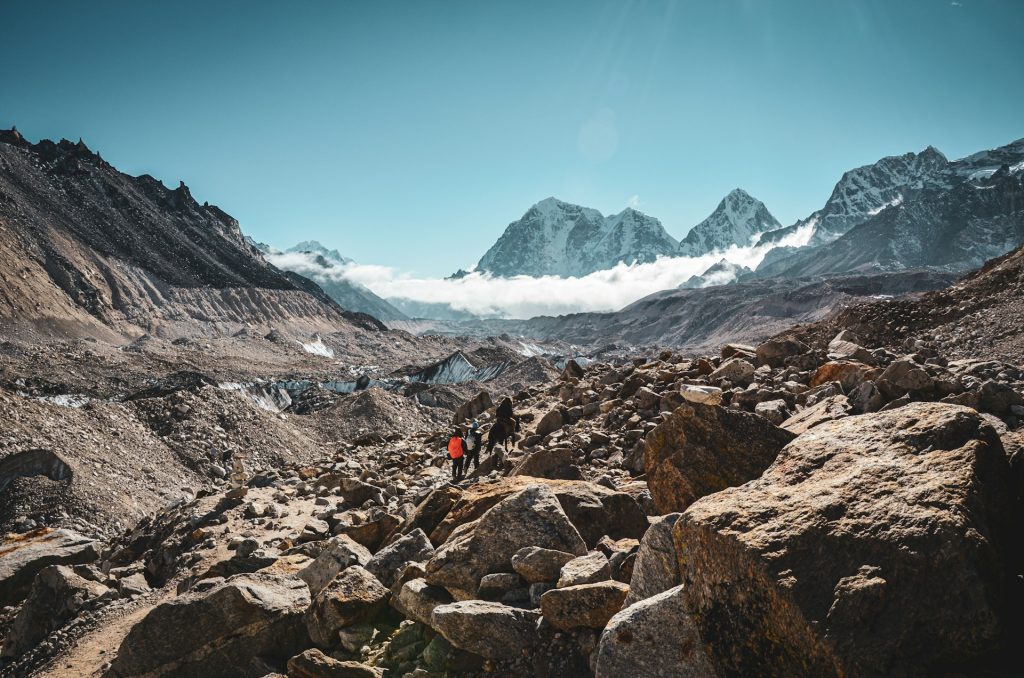
For those wondering how cold is Everest, the answer is: brutally cold, year-round. The temperature on the mountain never rises above freezing.
Average Summit Temperatures
| Month | Celsius | Fahrenheit |
|---|---|---|
| January (Coldest) | -36°C | -33°F |
| February | -35°C | -31°F |
| July (Warmest) | -19°C | -2°F |
The temperature at the summit in January averages -33°F (-36°C) and can drop as low as -76°F (-60°C) with wind chill . In the “Death Zone” (above 8,000 meters / 26,000 feet), the combination of extreme cold, low oxygen (one-third of sea-level pressure), and high winds makes survival impossible without supplemental oxygen.
5. How Much to Climb Everest?
When asking how much climb Everest costs, potential climbers should prepare for a significant financial investment.
Estimated Cost Breakdown
| Expense Category | Cost Range (USD) |
|---|---|
| Nepal Government Permit | $11,000 |
| Climbing Guide/Expedition Company (Nepal side) | $30,000 – $60,000 |
| Tibet/China side expedition | $35,000 – $65,000 |
| High-end guided expedition (with luxury services) | $65,000 – $130,000 |
| Gear and Equipment | $5,000 – $8,000 |
| Travel, Insurance, Miscellaneous | $5,000 – $10,000 |
Total estimated cost: $45,000 – $85,000+
Permit fees vary by season and route. Spring season (April-May) permits are the most expensive, while autumn and winter permits cost significantly less. The Nepalese government also requires climbers to deposit a bond for waste management.
6. How Many Miles is Mount Everest?
How many miles is Mount Everest can be interpreted two ways:
- Height: As mentioned, the mountain is 5.5 miles tall.
- Climbing distance: The trek from Lukla (Nepal) to Everest Base Camp is approximately 40 miles (65 km) one way. The actual climbing route from Base Camp to the summit is about 5 miles (8 km) as the crow flies, but the winding route covers significantly more ground.
7. Wildlife on Mount Everest
Despite the extreme conditions, wildlife on Mount Everest is more diverse than many expect. The lower elevations of the Sagarmatha National Park (a UNESCO World Heritage Site) host a surprising variety of species.
Mammals
- Snow Leopard – The elusive apex predator, though rarely seen
- Himalayan Thar – A large goat-like animal common on steep cliffs
- Musk Deer – Prized for its musk gland
- Himalayan Black Bear – Found in forested areas below 4,000 meters
- Red Panda – Rare, found in rhododendron forests
- Himalayan Wolf – Occasionally spotted at higher elevations
Birds
- Himalayan Monal – Nepal’s national bird, known for iridescent plumage
- Lammergeier (Bearded Vulture) – With a wingspan up to 9 feet
- Snow Pigeon – Common at high altitudes
- Yellow-billed Chough – Often seen at Everest Base Camp
Other Wildlife
- Himalayan Marmot – Large ground squirrels, common on the Tibetan plateau
- Jumping Spiders – The highest-altitude permanent residents, found up to 6,700 meters
8. Fascinating Facts About Mount Everest
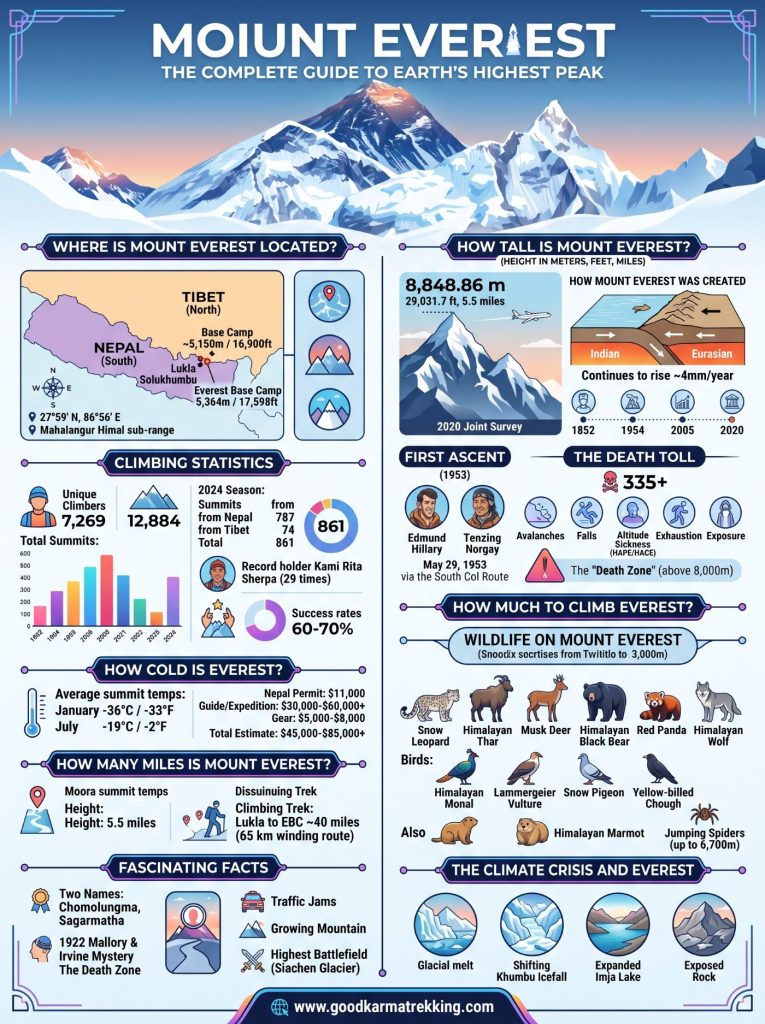
Here are some intriguing facts about the Mount Everest that highlight its unique status:
- Two Names: The mountain has multiple names. Tibetans call it Chomolungma (“Goddess Mother of the World”), while Nepalis call it Sagarmatha (“Peak of Heaven”). It was renamed Mount Everest in 1865 for Sir George Everest, the British surveyor general of India .
- The 1922 Mystery: It remains unclear whether George Mallory and Andrew Irvine reached the summit in 1924. Mallory’s body was found in 1999, but the camera that could prove they summited was never recovered.
- The Death Zone: Above 8,000 meters (26,000 feet), the human body cannot acclimatize. Cells begin dying, and most climbers require supplemental oxygen .
- Traffic Jams: In recent years, overcrowding has become a serious issue, with hundreds of climbers queuing at the narrow Hillary Step near the summit.
- Growing Mountain: Everest continues to grow by approximately 4 millimeters (0.16 inches) per year due to ongoing tectonic plate collision .
- Highest Battlefield: The Siachen Glacier on the nearby Saltoro Ridge is the world’s highest battlefield, where Indian and Pakistani troops have faced off since 1984 at altitudes above 6,000 meters.
9. The Climate Crisis and Everest
Climate change is visibly affecting Mount Everest. The Khumbu Icefall—notorious for its shifting seracs and crevasses—has become increasingly unstable. Additionally, the Imja Lake below the mountain has expanded due to glacial melt, posing a flood risk to downstream villages. Climbers have also reported seeing exposed rock on sections of the mountain once covered by permanent snow.
Summary Table: Key Facts About Mount Everest
| Fact | Detail |
|---|---|
| Height (official 2020) | 8,848.86 m (29,031.7 ft / 5.5 miles) |
| Location | Nepal-China (Tibet) border |
| First Ascent | 1953 – Edmund Hillary & Tenzing Norgay |
| Total Successful Summiteers | 7,269 individuals (12,884 total summits) |
| Total Deaths (as of 2024) | 335 |
| Climbing Cost | $45,000 – $85,000+ |
| Summit Temperature (Jan) | -36°C (-33°F) |
| Summit Temperature (Jul) | -19°C (-2°F) |
| Annual Growth Rate | ~4 mm (0.16 in) per year |
Conclusion
Mount Everest is far more than a mountain—it is a geological wonder, a cultural icon, a proving ground for human endurance, and an ecosystem teeming with life. Whether you’re fascinated by how many miles is Mount Everest, curious about where is the Everest mountain located, or dreaming of one day seeing its peak yourself, the “Goddess Mother of the World” continues to inspire awe in all who learn about her.
References:
- Britannica: Mount Everest – Comprehensive encyclopedia entry
- BBC News: Everest Height Measurement – 2020 official height announcement
- The Himalayan Database – Detailed climbing statistics
- Sagarmatha National Park – UNESCO World Heritage Site information